
Support tendon repair
Rotator cuff tendons have limited blood supply, which is why they heal slowly. Mesenchymal stem cells release factors that support the cells already present in the tendon and the surrounding soft tissue.

A non-surgical option for shoulder pain and limited mobility. Image-guided injection using umbilical cord stem cells verified in our own lab first, eight minutes from the San Diego border.
Send us a message and our team will get back to you shortly. No cost, no obligation.
Renovo Clinic is a cash-pay clinic in Tijuana, Mexico. We do not bill US insurance.
Hear and see our patients' experiences with our stem cell therapy treatments.
Patient testimonial
Patient testimonial
Patient testimonial
Individual experiences differ. One patient's account is not a prediction of your result.
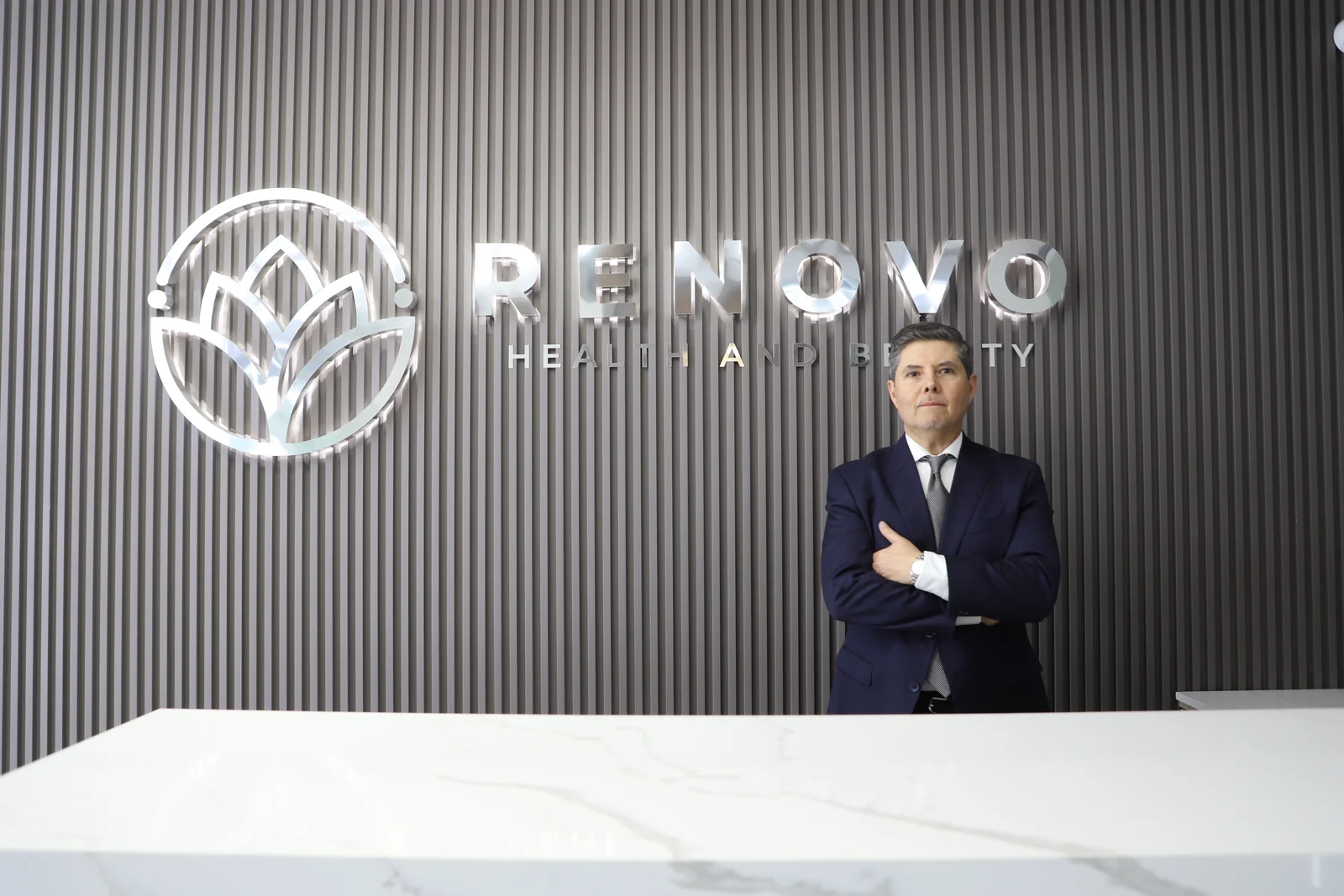
Founder and Medical Director of Renovo Clinic. He performs the injections himself, sets every protocol, and he is the one who decides whether a patient is a candidate.
If you are struggling with a rotator cuff tear, you already know how frustrating and limiting shoulder pain can be. Simple movements — lifting your arm, reaching overhead, even sleeping comfortably — can become daily challenges.
Surgery is not your only option. Stem cell therapy is designed to support your body's own repair processes, with the aim of reducing pain and restoring mobility without an incision.
Rotator cuff injuries involve damage to the tendons that stabilise your shoulder joint. Those tissues have limited blood flow, which is precisely what makes them slow and difficult to heal. That is the problem this treatment is aimed at.
Inflammation is what turns a damaged tendon into a painful one. It is also the part treatment can most realistically influence.
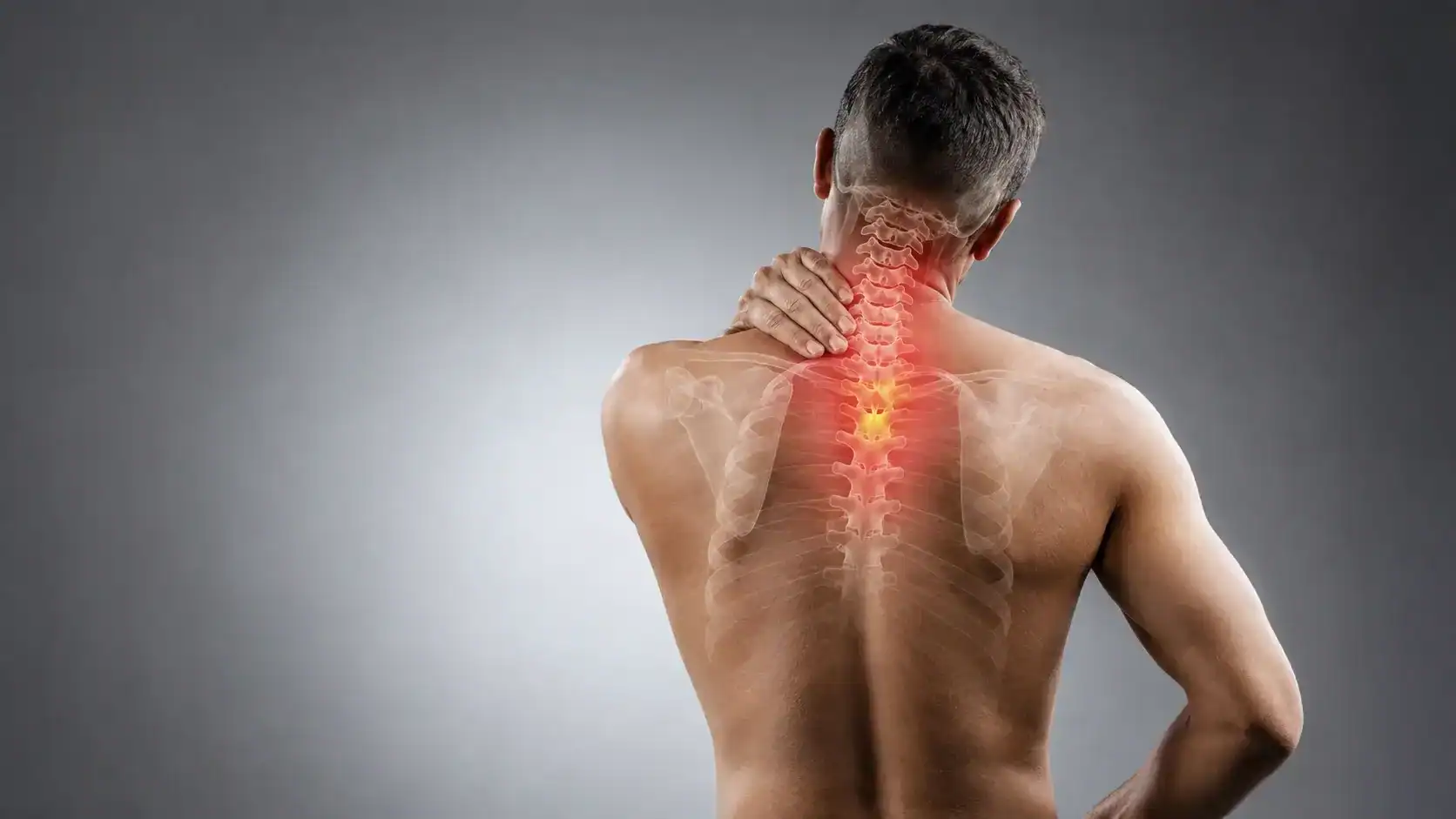
Traditional treatment often follows a familiar path: medication, physical therapy, and eventually an operation. Surgery works for the right patient, but it carries real costs.
This does not close off surgery later. If your imaging shows a tear that needs repairing, we will tell you that rather than take the booking.
For orthopaedic conditions, including the rotator cuff, Renovo uses mesenchymal stem cells from human umbilical cord tissue. Here is what they are being asked to do.
Rotator cuff tendons have limited blood supply, which is why they heal slowly. Mesenchymal stem cells release factors that support the cells already present in the tendon and the surrounding soft tissue.
Inflammation is what makes a torn tendon hurt, and it is self-sustaining once it starts. These cells are used for their capacity to modulate that response.
The rotator cuff sits beneath the deltoid and is difficult to reach accurately by feel. Injections here are guided by ultrasound so placement is confirmed against your anatomy rather than estimated from surface landmarks.
Stem cell therapy for rotator cuff injury is an area of active research. Outcomes vary between individuals and no result is guaranteed. Everything on this page is offered following a medical evaluation.
You may be worth assessing if you have a partial or full rotator cuff tear, have been told surgery is your only option, are living with chronic shoulder pain, or have not found relief with conservative treatment. Even a long-standing shoulder problem is worth a conversation.
But candidacy is confirmed on imaging, not on a phone call. Bring your MRI or ultrasound report. The size of the tear, whether it is partial or full thickness, and how much retraction is present will tell us more in five minutes than a description will in half an hour.
A large full-thickness tear with significant retraction is a surgical problem, and we will say so. Partial tears and tendinopathy in an otherwise reasonable shoulder are where this is most likely to be appropriate.
$2,100–$9,900USD · stem cell therapy component
Most clinics in this market will not put a number on a page. That leaves you calling around for quotes, which is a bad way to make a medical decision. So here is ours.
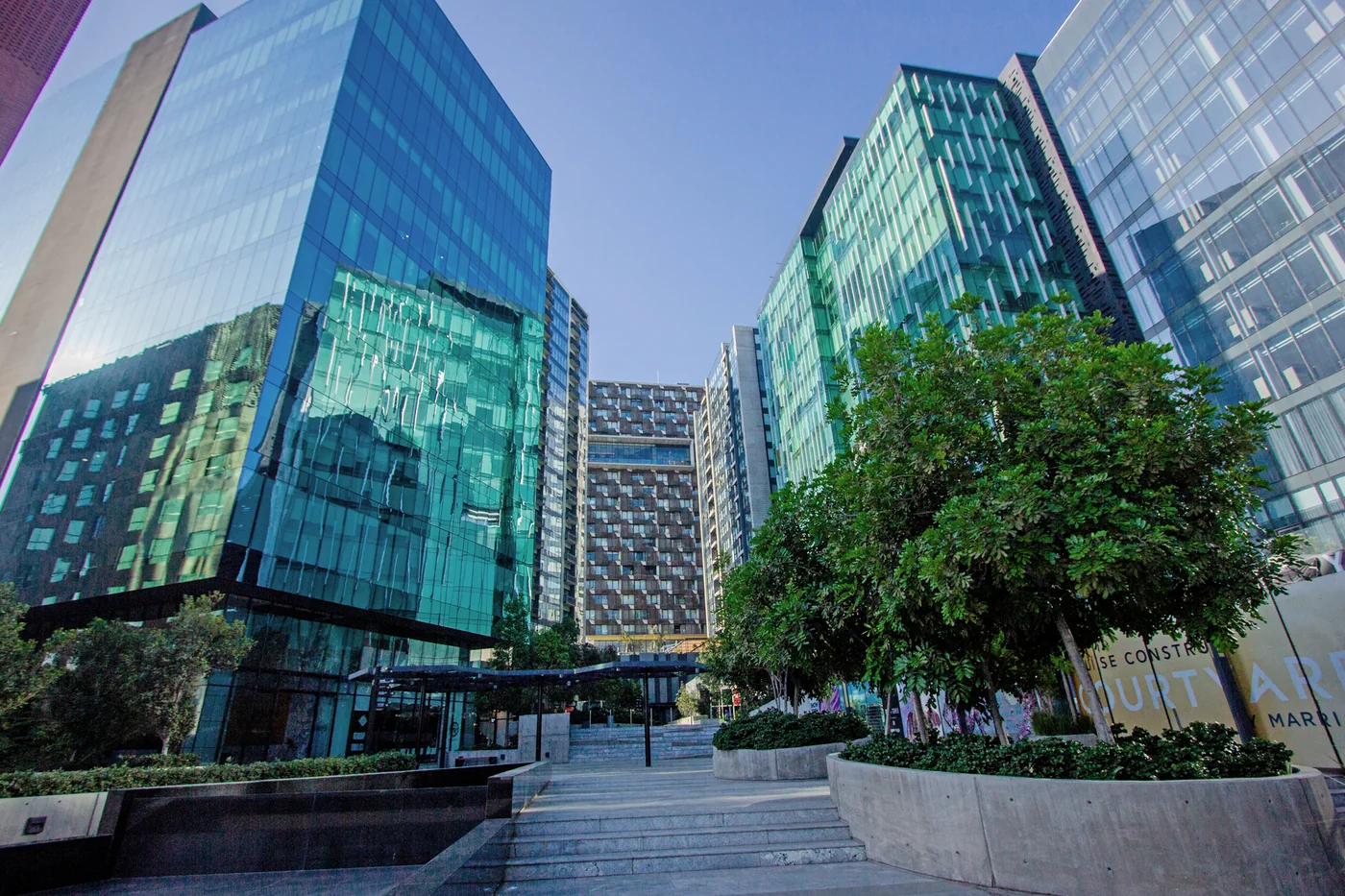
Central Toreo, Tijuana. Renovo Clinic is on the sixth floor, about eight minutes from the border crossing.
Most of our patients drive down from Southern California. Here is the shape of the trip in advance.
We review your MRI or ultrasound report, your history and what you have already tried, by phone or WhatsApp. You find out whether you are a candidate before you book any travel.
Renovo sits in the Central Toreo complex, roughly eight minutes from the crossing. Bring a valid passport or passport card. Tell us your arrival window and we will help you plan around traffic at San Ysidro and Otay Mesa.
Dr. Jiménez examines the shoulder, reviews the imaging against what he finds, and confirms the plan. If the picture has changed, the plan changes with it.
Your cell batch is counted and viability-checked on site first. Placement into the rotator cuff is guided by ultrasound, under local anaesthesia.
You rest under observation before discharge. Expect some soreness around the shoulder for a few days. We give you written aftercare instructions, including when to restart physical therapy, and stay reachable on WhatsApp.
Be cautious of anyone who promises that. The realistic aim is to support the repair processes already happening in the tendon and reduce the inflammation driving your symptoms. A large full-thickness tear with retraction is a surgical problem, and no injection changes that.
Most patients resume light activity within a few days, with some soreness around the joint at first. Any improvement tends to come gradually over the following months rather than immediately, and it varies between individuals.
The injection is performed under local anaesthesia. Discomfort is usually minimal and short-lived. Because placement is guided by ultrasound rather than by feel, there is less probing to locate the tendon.
This varies with the severity of the tear and your activity levels, and we cannot promise a duration. Some patients discuss follow-up treatment later. Anyone quoting a guaranteed number of years is guessing.
Any injection into a joint carries some risk, including infection, bleeding and a temporary flare of pain. Every patient's medical history is screened beforehand, the procedure is performed under sterile conditions, and every cell batch is verified on site before administration.
Most patients are comfortable travelling home within 24 to 48 hours. You receive written post-treatment instructions before you leave, and we stay reachable on WhatsApp once you are back.
For orthopaedic work, mesenchymal stem cells from human umbilical cord tissue, taken from healthy full-term donations and processed in GMP-grade laboratory facilities. Cell products are expanded and quality-tested in certified, licensed biotechnology laboratories before shipment to us. We do not expand cells on site; what we do on site is verify them.
Yes. Every patient's medical history is screened, and our clinical team declines or postpones candidates where there is a contraindication, or where imaging shows a tear beyond what this treatment could reasonably address. We would rather lose the booking.
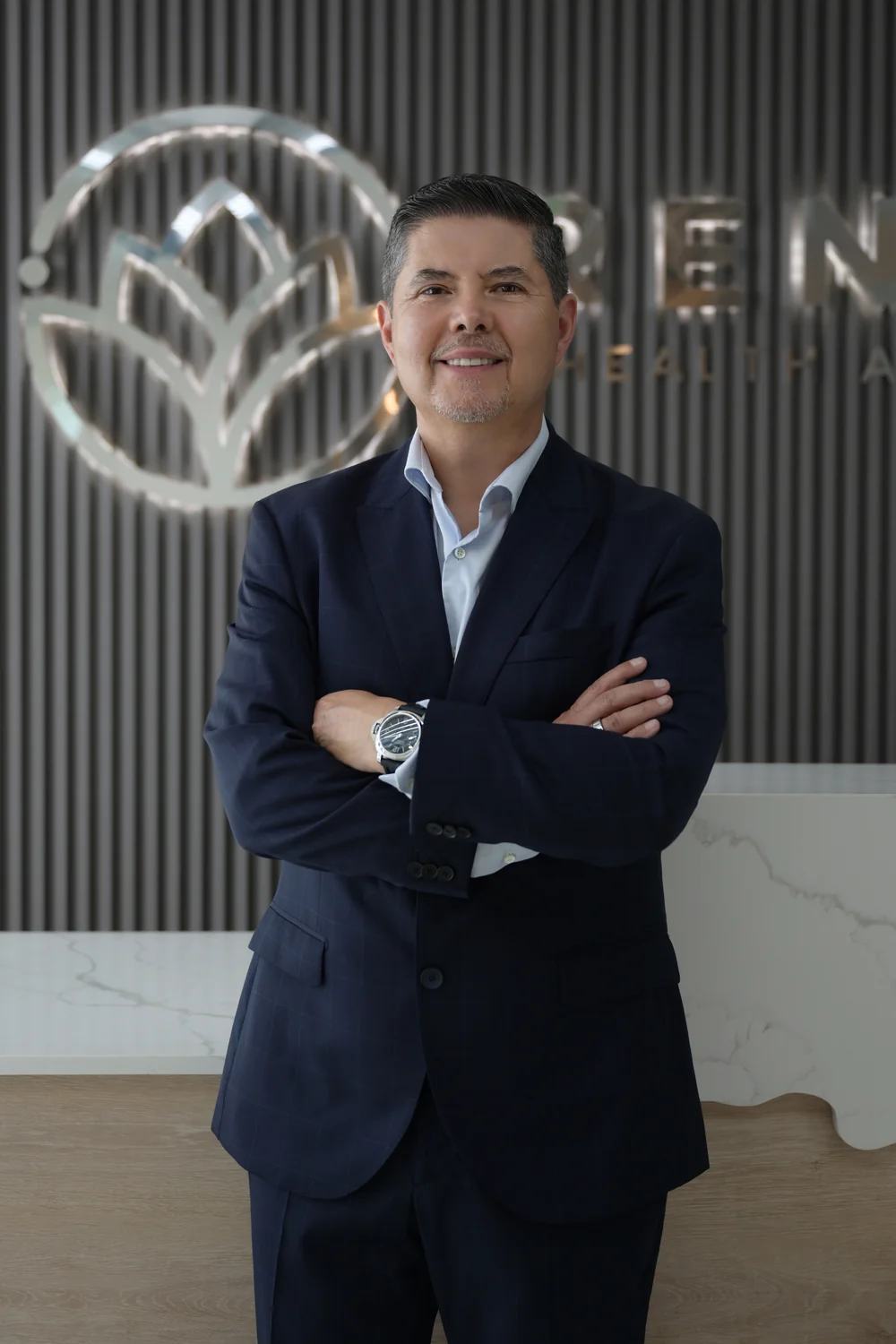
He has practised medicine for more than 30 years. He is a Medical Doctor and Surgeon, a graduate of UNAM, and a Specialist in Critical Care Medicine and Intensive Care, with advanced training in stem cell therapy, sports medicine and musculoskeletal ultrasound.
That ultrasound training is the relevant part for shoulder work. The rotator cuff sits beneath the deltoid, which is why injections here are placed under live imaging rather than by feel, and why he performs them himself.
Send us your MRI or ultrasound report and tell us what you have already tried. We will tell you honestly whether we think we can help — including when the answer is an orthopaedic surgeon instead.