
Anti-inflammatory support
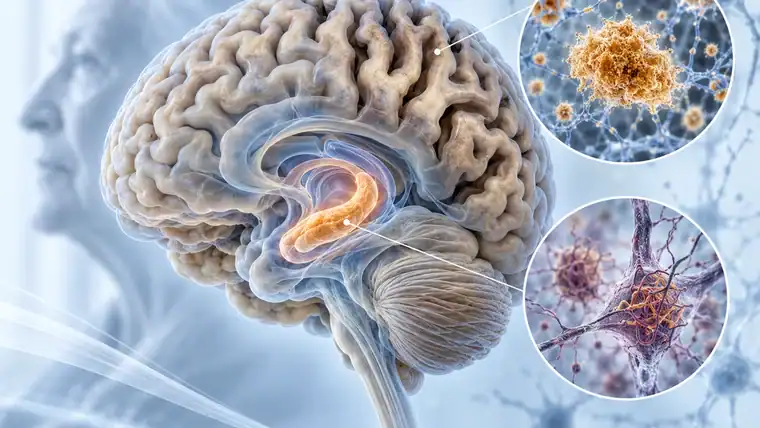
Neuroinflammation is one of several processes studied in Alzheimer's research. DPSCs are used for their capacity to help modulate that inflammatory response.
Renovo offers dental pulp stem cell protocols as a supportive option for families navigating Alzheimer’s — alongside your loved one's existing medical care, not in place of it. Eight minutes from the San Diego border, and we publish what treatment costs.
Send us a message and our team will get back to you shortly. No cost, no obligation.
Renovo Clinic operates on a self-pay model and does not bill U.S. health insurance.
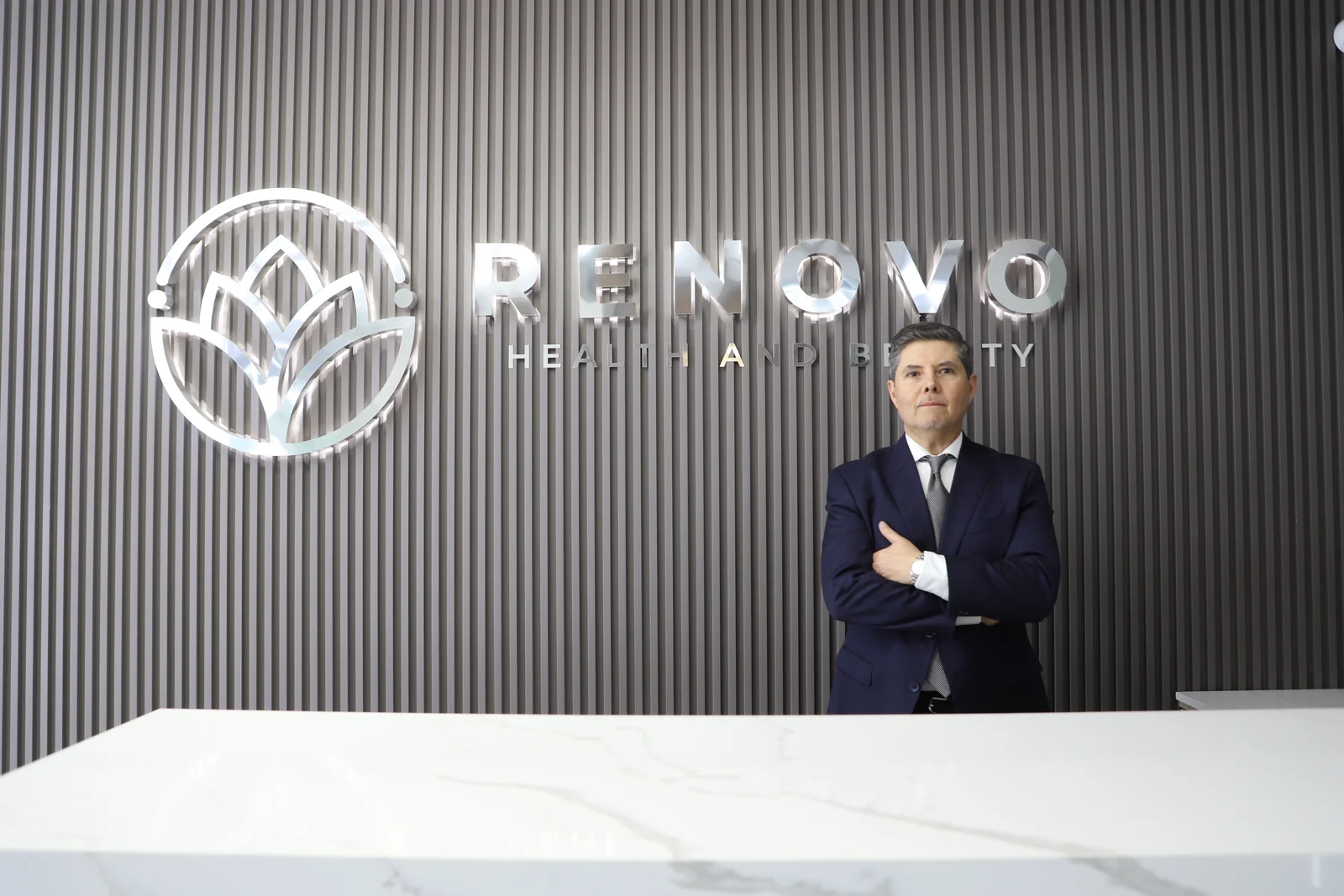
Founder and Medical Director of Renovo Clinic. He sets every protocol personally, and he is the one who decides whether a patient is a candidate.
Alzheimer’s is a progressive neurodegenerative disease that affects memory, thinking and the ability to carry out familiar tasks. It's marked by a build-up of amyloid plaques and tau protein tangles in the brain, which contribute to the loss of brain cells over time. Symptoms usually develop slowly and worsen gradually, which is part of what makes early recognition so valuable.
Families most often notice:
If you're noticing these signs in yourself or someone you love, a thorough medical assessment is the right first step — early evaluation gives the most options for treatment, support and planning.
Current medical care for Alzheimer's is genuinely valuable, and nothing here is meant to talk anyone out of it. But it's worth understanding plainly what it can and can't do.
Medications for memory and behavioral symptoms, along with cognitive stimulation therapy and occupational therapy, can genuinely ease day-to-day symptoms. What none of them do is stop or reverse the underlying loss of brain cells. Their effect on symptoms can also lessen over time as the disease progresses.
This gap — symptom relief without slowing progression — is what leads some families to ask what else exists. Regenerative approaches are one of the areas being explored, and it's reasonable to want an honest picture of what that actually involves before deciding anything.

For Alzheimer’s and other brain-related neurological conditions, Renovo uses dental pulp stem cells (DPSCs) rather than the umbilical cord cells used in our orthopedic protocols. DPSCs are selected specifically for how they behave in the central nervous system.
Neuroinflammation is one of several processes studied in Alzheimer's research. DPSCs are used for their capacity to help modulate that inflammatory response.
DPSCs release neurotrophic factors that may support a healthier environment for the neurons that remain. This is a supportive role, not a mechanism for reversing existing brain cell loss.
Any potential benefit is explored as a complement to a patient's existing medical team and treatment plan — never a substitute. We don't ask families to change prescribed medications without their physician's involvement.
Stem cell therapy for Alzheimer’s is an area of active research, not an established or guaranteed treatment. There is currently no cure for Alzheimer’s disease, and this should not be described as one. It does not reverse existing brain cell loss. Outcomes vary between individuals and results are not guaranteed. Everything on this page is offered following a medical evaluation.
A full evaluation is what actually determines candidacy — not a list on a page — but broadly, this tends to be a better fit for patients who have a confirmed diagnosis of Alzheimer's or early cognitive decline, are in generally stable overall health, have support from family or caregivers through treatment and recovery, and hold realistic expectations about what this can and can't do.
Renovo does not guarantee specific outcomes. Responses vary from patient to patient, and any potential benefit depends on individual health factors and the stage of the condition. We do not ask patients to pause or change their physician's prescribed treatment plan, and we encourage keeping their existing medical team informed throughout.
$2,100–$9,900USD · stem cell therapy component
Most clinics in this market will not put a number on a page. That leaves you calling around for quotes, which is a bad way to make a decision for someone you love. So here is ours.
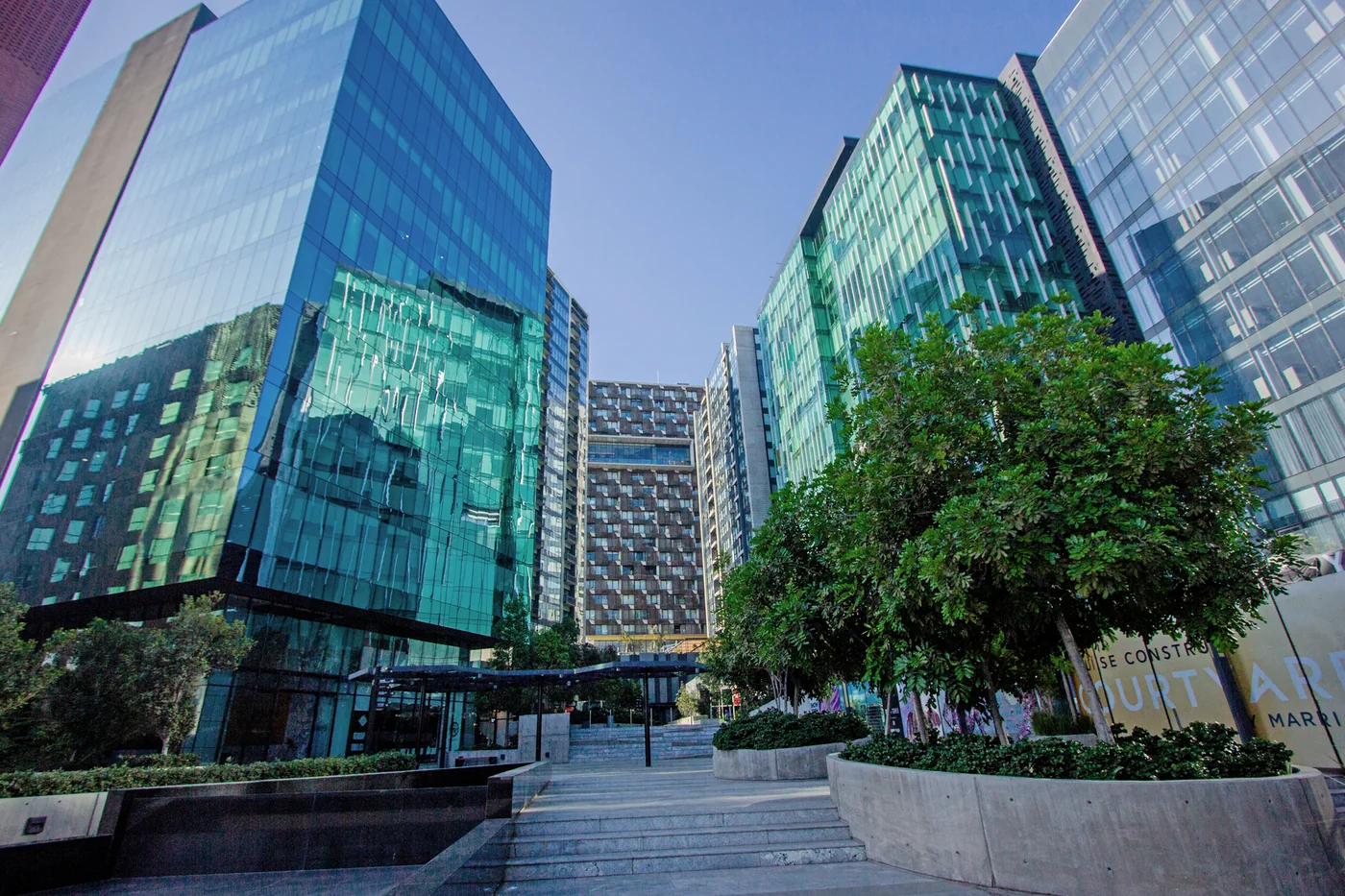
Central Toreo, Tijuana. Renovo Clinic is on the sixth floor, about eight minutes from the border crossing.
Many families travel from Southern California, often with a spouse or adult child alongside the patient. Here is the shape of the trip in advance.
You complete our Medical History & Imaging Questionnaire and upload the diagnosis, prior diagnostic evaluations and current medications. Dr. Jiménez reviews the case personally, and you find out whether your loved one is a candidate before any travel is booked.
Renovo sits in the Central Toreo complex, roughly eight minutes from the crossing. Bring valid passports or passport cards for everyone travelling. Tell us your arrival window and we will help you plan around traffic at San Ysidro and Otay Mesa.
Dr. Jiménez meets the patient and confirms the protocol with the family. If anything has changed, the plan changes with it, or we postpone.
The cell batch is counted and viability-checked on site first. Delivery takes place in the Procedure Room or a clinical examination room, depending on the protocol.
Patients rest under observation before discharge. We give the family written aftercare instructions and stay reachable on WhatsApp once you are back across the border.
No. There is currently no cure for Alzheimer’s disease, and stem cell therapy should not be described as one. What we offer is framed around supportive goals, not reversing the underlying condition.
Researchers are exploring regenerative approaches to better understand how they may support brain health, but this remains an active area of study rather than settled clinical evidence. We won't overstate where the science currently stands.
Through a full medical evaluation that reviews diagnosis, disease stage, medical history and overall health before any treatment is recommended. Not every patient is a candidate, and we say so when that's the case.
Responses vary from patient to patient and outcomes cannot be guaranteed. Any potential benefit depends on individual health factors and the stage of the condition at the time of treatment.
No. Patients should continue following their physician's prescribed treatment plan and should not discontinue any medication without that physician's involvement.
Dental pulp stem cells (DPSCs). For brain-related and neurological conditions including Alzheimer’s, Parkinson’s, stroke recovery and autism, Renovo uses DPSCs for their neurotrophic, neuroprotective and immunomodulatory properties. Orthopedic protocols use mesenchymal stem cells derived from human umbilical cord tissue instead.
The stem cell component generally ranges from $2,100 to $9,900 USD depending on the protocol and clinical setting required. This is not typically covered by U.S. insurance. Renovo operates on a self-pay model. You receive a single, fixed package price with no hidden fees before committing.
Yes. Every case is reviewed individually, and our clinical team declines or postpones where there is a contraindication or where we do not believe this is the right fit. We would rather tell you that honestly than take the booking.
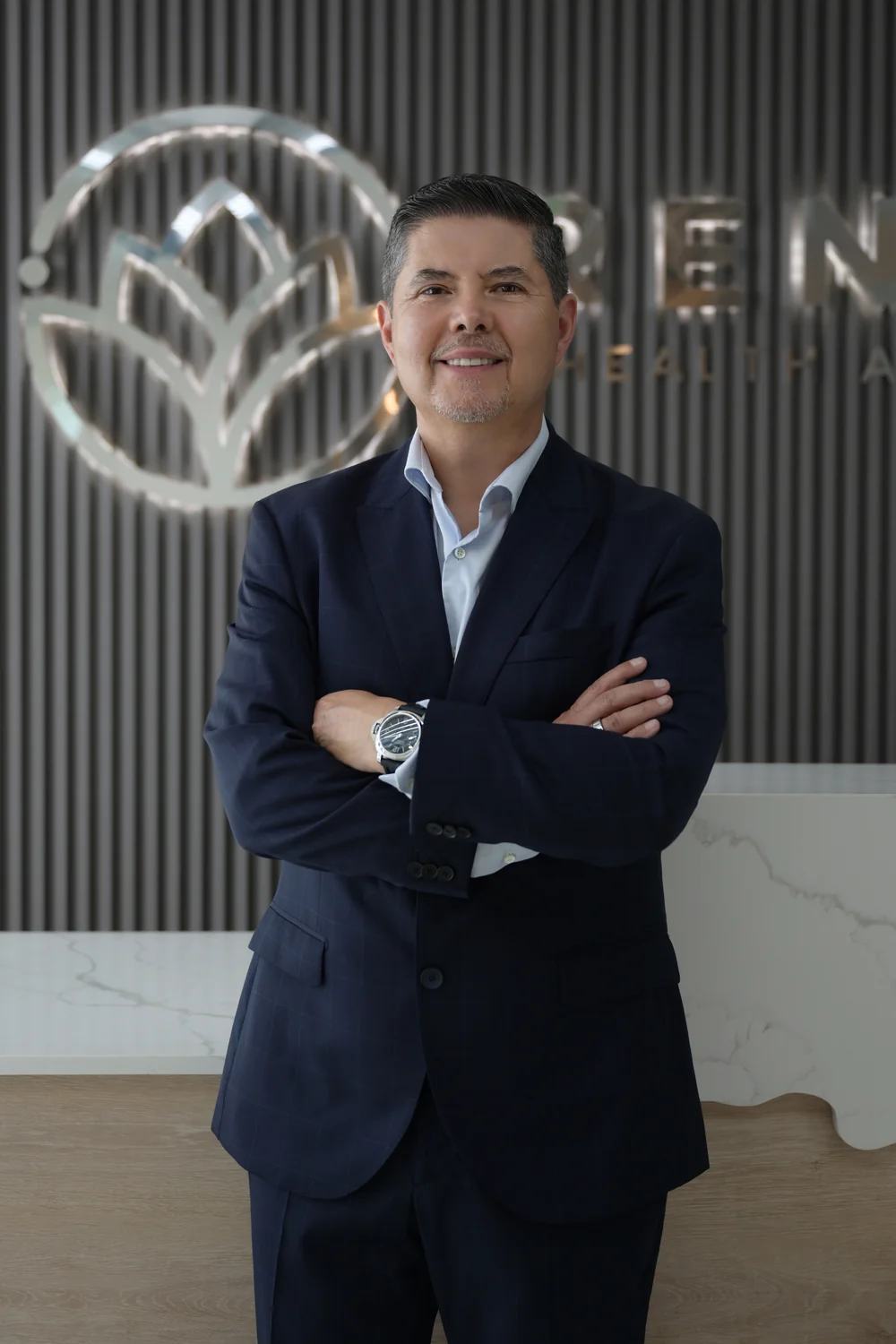
He has practised medicine for more than 30 years. He is a Medical Doctor and Surgeon, a graduate of UNAM, and a Specialist in Critical Care Medicine and Intensive Care, with advanced training in stem cell therapy, sports medicine and musculoskeletal ultrasound.
He sets every protocol personally, including which cell type and delivery route a case requires, and he is the one who decides whether a patient is a candidate.
Tell us about your loved one's diagnosis, current care, and what you're hoping to understand better. We will give you an honest answer about what we think we can realistically offer — including when the answer is that we are not the right fit.