
Anti-inflammatory support
Neuroinflammation is one of several biological processes being studied in autism research. DPSCs are used for their capacity to help modulate that inflammatory response.
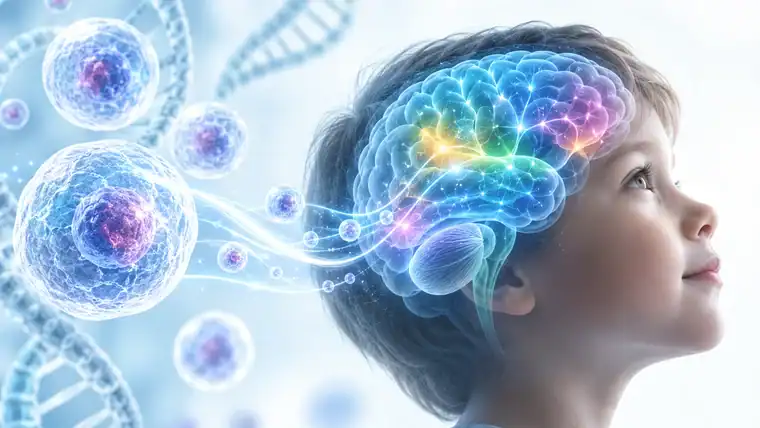
Renovo offers dental pulp stem cell protocols as a supportive, complementary option for families navigating autism — alongside your child's existing therapies, not in place of them. Eight minutes from the San Diego border, and we publish what treatment costs.
Send us a message and our team will get back to you shortly. No cost, no obligation.
Renovo Clinic operates on a self-pay model and does not bill U.S. health insurance.
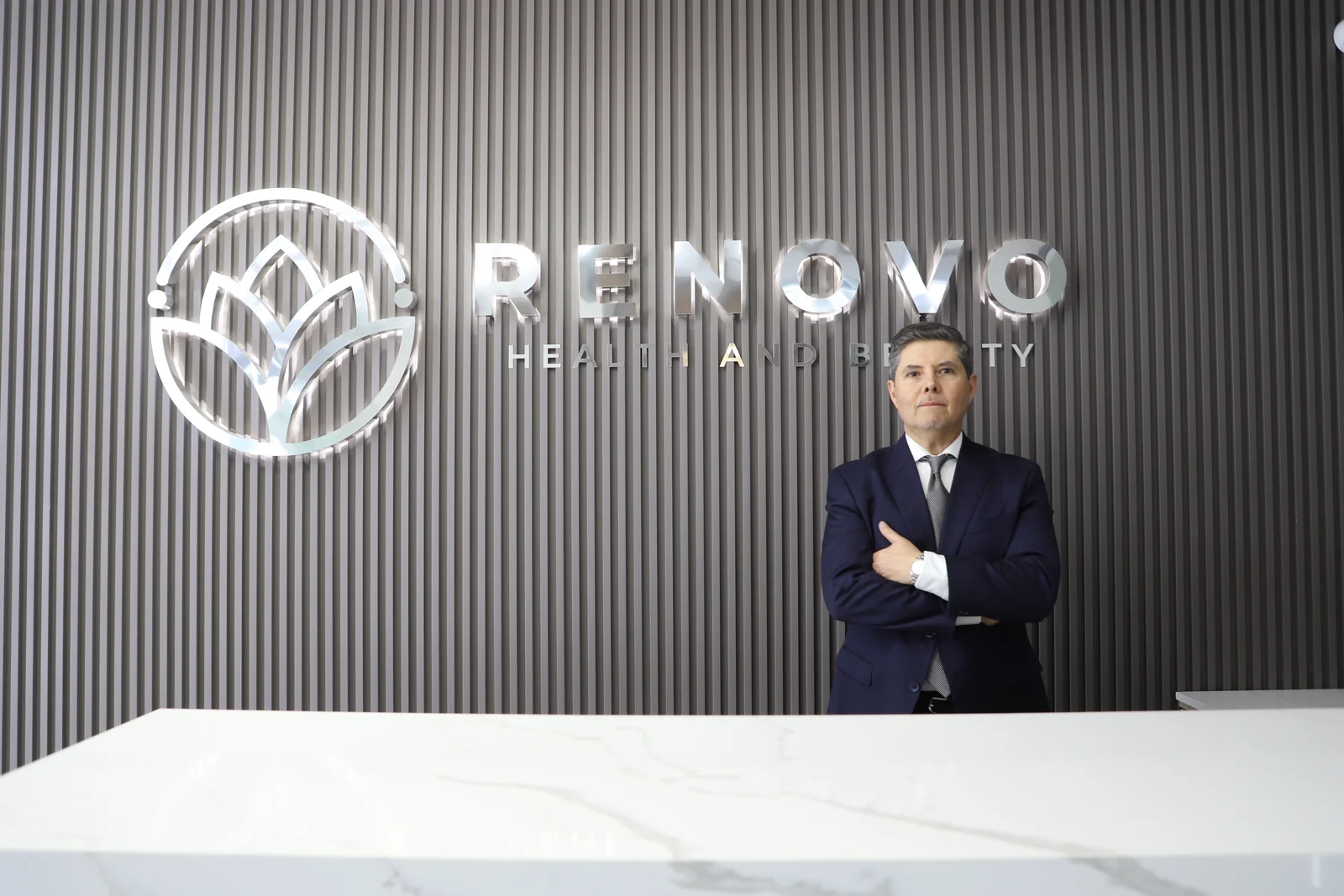
Founder and Medical Director of Renovo Clinic. He sets every protocol personally, and he is the one who decides whether a child is a candidate.
Autism, or Autism Spectrum Disorder (ASD), is a neurodevelopmental condition that shapes how a person communicates, interacts socially, and experiences the world around them. It's called a spectrum because it looks different from one person to the next — some children need significant daily support, others need very little, and many have real strengths alongside their challenges.
Families most often notice differences in a few areas:
Signs typically emerge by age two or three. Autism is lifelong and is part of how a person experiences the world — it isn't something to be erased, and many autistic people build full, meaningful lives with the right support in place. What families most often come to us asking about isn't a cure; it's whether anything more can be done to support day-to-day function, communication and quality of life.
Autism support usually involves several therapies working together, matched to the individual. None of this changes when a family works with us — if anything, we lean on it.
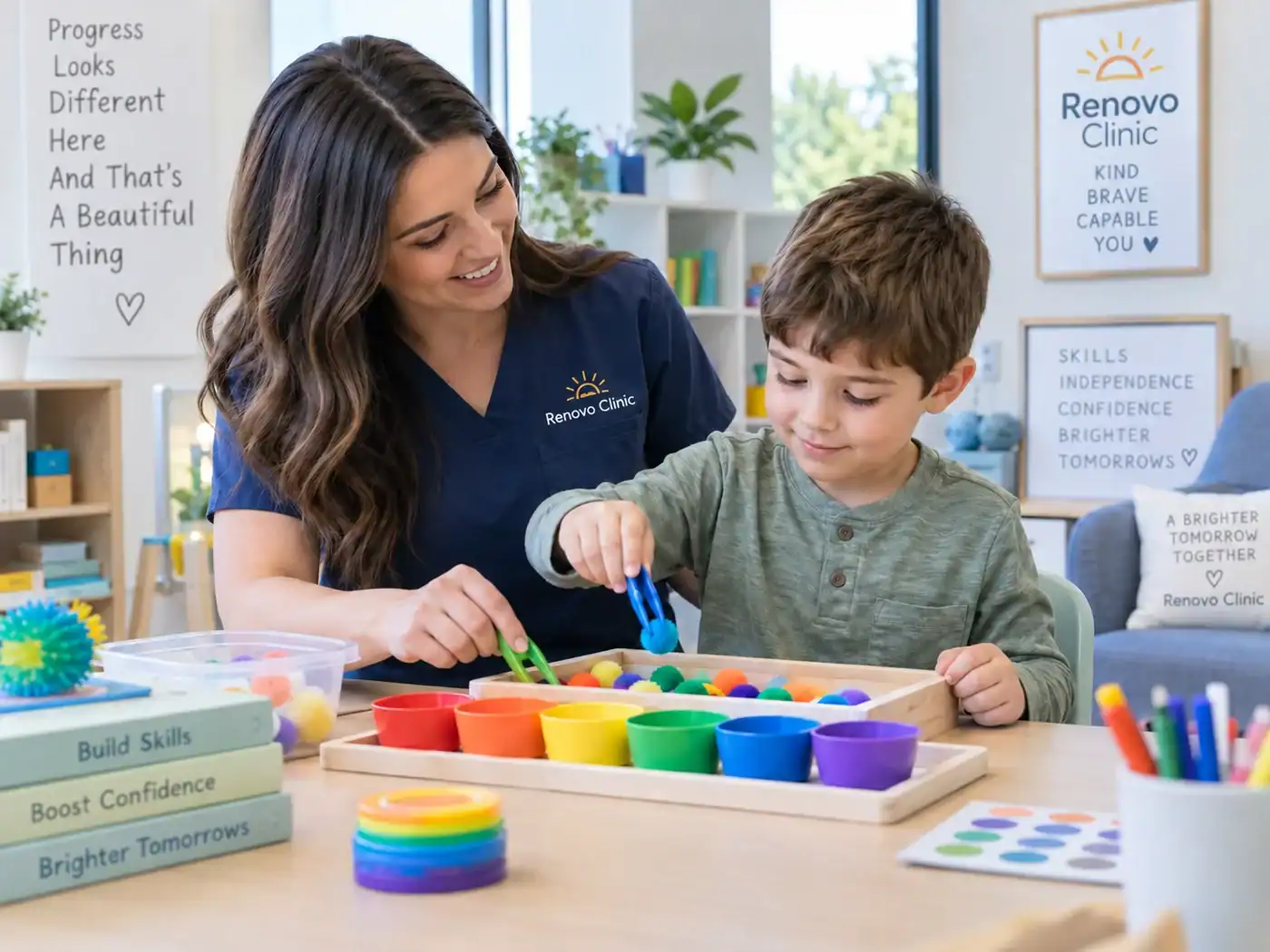
Applied Behavior Analysis (ABA) is the most established approach, reinforcing skills across communication, social interaction and daily living. Speech and language therapy targets communication specifically, while social skills training works on reading cues and building relationships, often in group settings.
Occupational therapy builds coordination, motor skills and sensory regulation for daily independence. Individualized education plans adapt schooling to the child. Parent training equips families with strategies for home. Medication can help manage co-occurring anxiety or hyperactivity, though none of it treats autism itself.
Every child's combination looks different, and consistency across providers matters more than any single therapy. This is the foundation any additional treatment sits on top of — not something it replaces.
For autism and other brain-related neurological conditions, Renovo uses dental pulp stem cells (DPSCs) rather than the umbilical cord cells used in our orthopedic protocols. DPSCs are selected specifically for how they behave in the central nervous system.
Neuroinflammation is one of several biological processes being studied in autism research. DPSCs are used for their capacity to help modulate that inflammatory response.
DPSCs release neurotrophic factors that may support a healthier neurological environment. This is a supportive role, not a mechanism for reversing a neurodevelopmental condition.
Any potential benefit is explored as a complement to ABA, speech and occupational therapy — never a substitute. We do not ask families to pause the therapies already working for their child.
Stem cell therapy for autism is an area of active research, not an established or guaranteed treatment. It does not cure autism, and it is not a substitute for behavioral, speech or occupational therapy. Outcomes vary between individuals, results are not guaranteed, and we encourage every family to keep their child's existing care team involved throughout. Everything on this page is offered following a medical evaluation.
Not every child is a candidate, and we are direct about that during the consultation. Every case starts with a parent or guardian completing our intake and sharing the child's diagnostic history, current therapies and overall health picture. Dr. Jiménez reviews this personally before any protocol is discussed — there is no one-size-fits-all package here.
We look for children who are medically stable, already engaged in behavioral or developmental therapy, and whose families hold realistic expectations: this is a supportive option, not a cure, and it works best layered on top of the therapies already in place rather than in place of them.
Renovo does not guarantee specific outcomes. Results vary based on the child's age, overall health, and individual presentation. Where we do not think we can help, or where a contraindication is present, we say so rather than take the booking.
$2,100–$9,900USD · stem cell therapy component
Most clinics in this market will not put a number on a page. That leaves you calling around for quotes, which is a bad way to make a decision for your child. So here is ours.
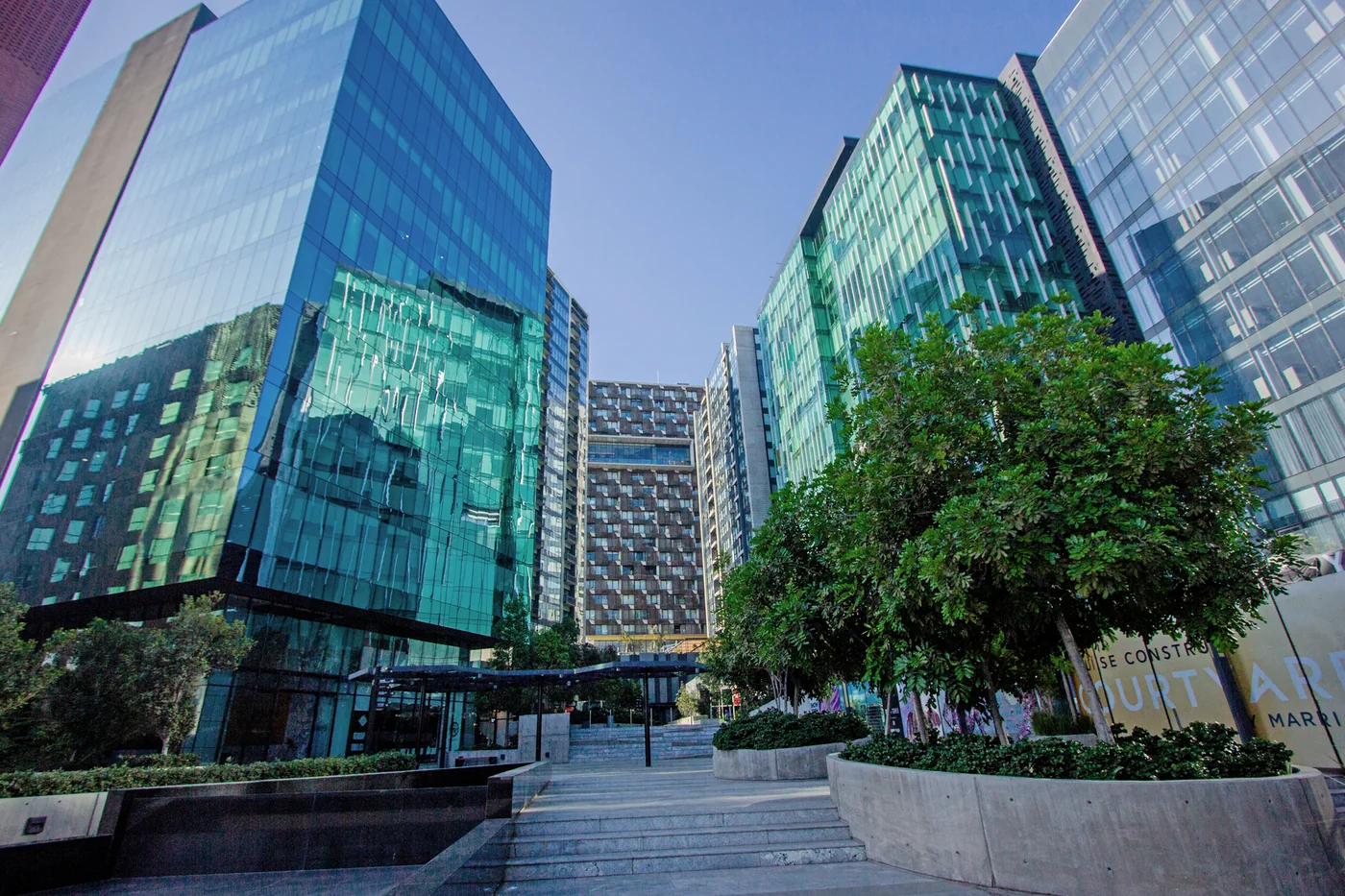
Central Toreo, Tijuana. Renovo Clinic is on the sixth floor, about eight minutes from the border crossing.
Many families travel from Southern California with their child. Here is the shape of the trip in advance.
As your child's parent or guardian, you complete our Medical History & Imaging Questionnaire and upload their diagnostic history, current therapies and any prior evaluations. Dr. Jiménez reviews the case personally, and you find out whether your child is a candidate before any travel is booked.
Renovo sits in the Central Toreo complex, roughly eight minutes from the crossing. Bring valid passports or passport cards for the whole family. Tell us your arrival window and we will help you plan around traffic at San Ysidro and Otay Mesa.
Dr. Jiménez meets your child and confirms the protocol with you. If anything has changed, the plan changes with it, or we postpone.
Your child's cell batch is counted and viability-checked on site first. Delivery takes place in the Procedure Room or a clinical examination room, depending on the protocol.
Your child rests under observation before discharge. We give you written aftercare instructions and stay reachable on WhatsApp once you are back across the border.
No. We do not ask families to pause any therapy that is already working. Stem cell therapy is presented here as a possible complement, and we encourage keeping your child's existing therapy team fully involved before, during and after any visit.
No, and we would be concerned about any clinic that told you otherwise. Autism is a lifelong neurodevelopmental difference, not a disease to be cured. What we offer is framed around supportive goals — not reversing or eliminating autism itself.
This is evaluated case by case during the intake, alongside your child's overall health and diagnostic history. There is no fixed age cutoff we can quote in the abstract — it depends on the individual child.
Dental pulp stem cells (DPSCs). For brain-related and neurological conditions including autism, Parkinson’s, multiple sclerosis and stroke recovery, Renovo uses DPSCs for their neurotrophic, neuroprotective and immunomodulatory properties. Orthopedic protocols use mesenchymal stem cells derived from human umbilical cord tissue instead.
The stem cell component generally ranges from $2,100 to $9,900 USD depending on the protocol and clinical setting required. This is not typically covered by U.S. insurance. Renovo operates on a self-pay model. You receive a single, fixed package price with no hidden fees before committing.
Yes. Every case is reviewed individually, and our clinical team declines or postpones where there is a contraindication, or where we do not believe this is a good fit. We would rather tell you that honestly than take the booking.
Yes. As your child's parent or guardian, you review the intake findings with Dr. Jiménez directly, and nothing proceeds without your understanding and agreement at every step.
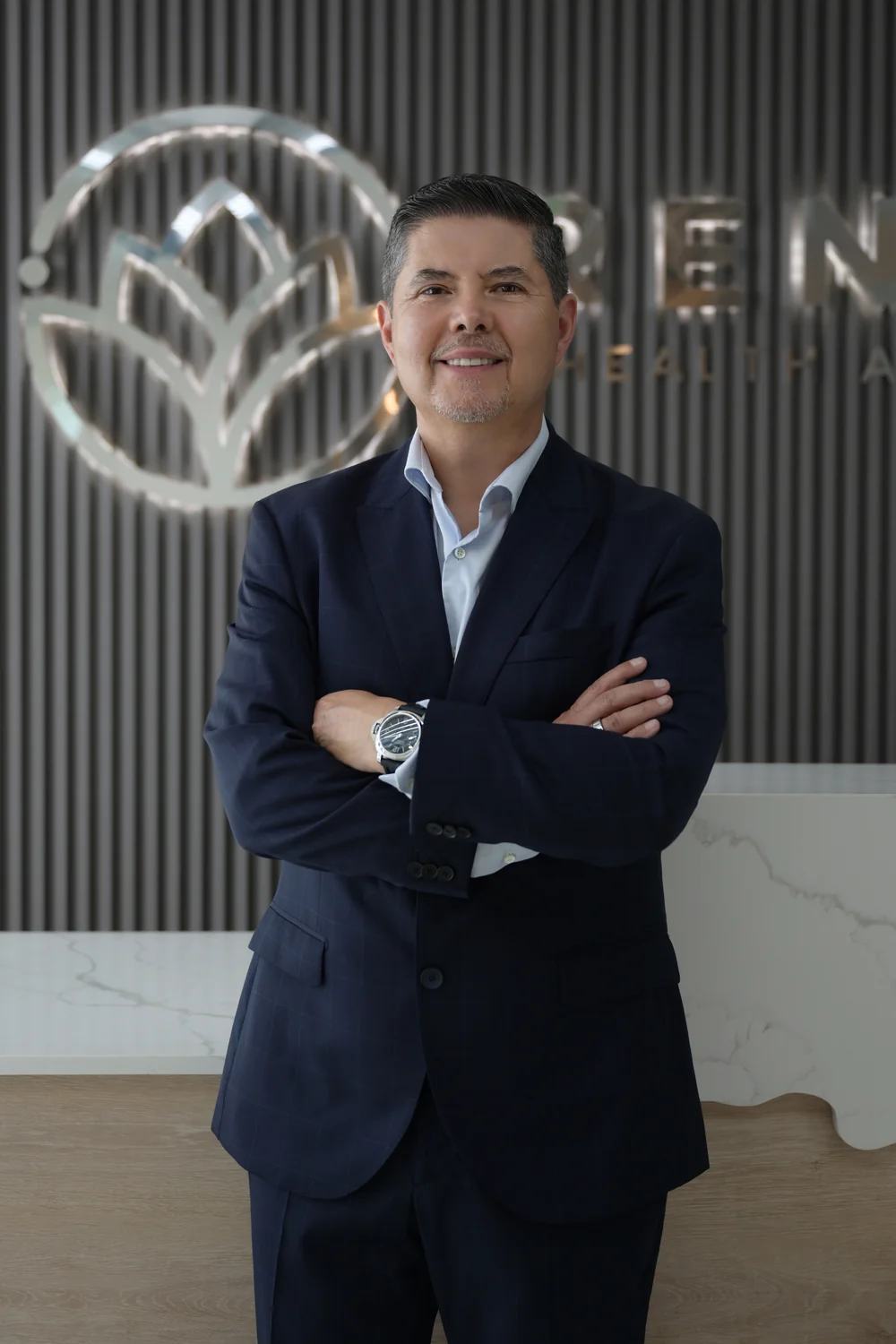
He has practised medicine for more than 30 years. He is a Medical Doctor and Surgeon, a graduate of UNAM, and a Specialist in Critical Care Medicine and Intensive Care, with advanced training in stem cell therapy, sports medicine and musculoskeletal ultrasound.
He sets every protocol personally, including which cell type and delivery route a case requires, and he is the one who decides whether a child is a candidate.
Tell us about your child, what therapies are already in place, and what you're hoping to understand better. We will give you an honest answer about what we think we can realistically offer — including when the answer is that we are not the right fit.