
Target neuroinflammation
Chronic inflammation in the brain is understood to contribute to the ongoing loss of dopamine-producing neurons. DPSCs are used for their capacity to help modulate that inflammatory response.

Renovo treats Parkinson’s with dental pulp stem cells, chosen for their neuroprotective and anti-inflammatory behavior in the central nervous system. Eight minutes from the San Diego border, and we publish what treatment costs.
Send us a message and our team will get back to you shortly. No cost, no obligation.
Renovo Clinic operates on a self-pay model and does not bill U.S. health insurance.
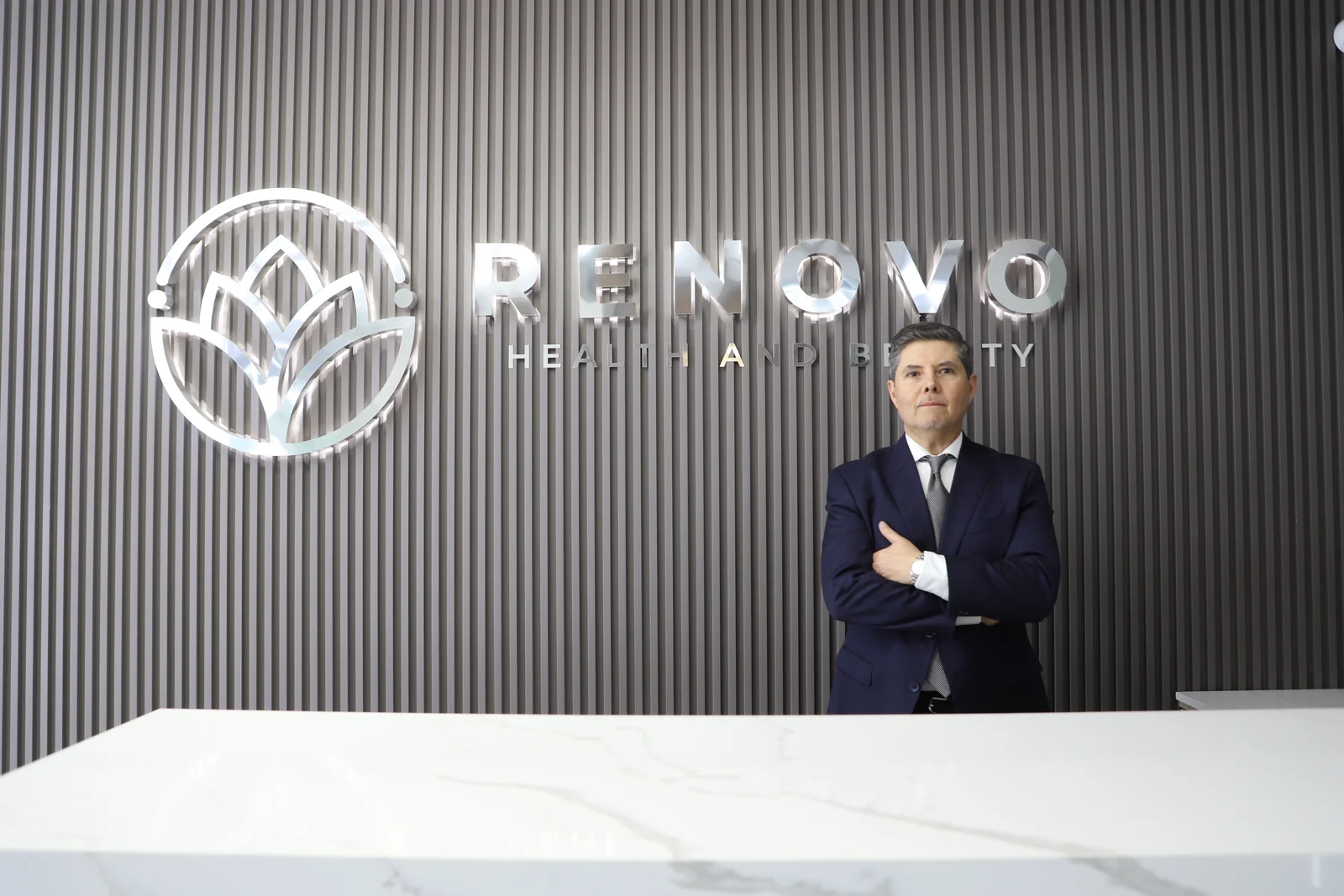
Founder and Medical Director of Renovo Clinic. He sets every protocol personally, and he is the one who decides whether a patient is a candidate.
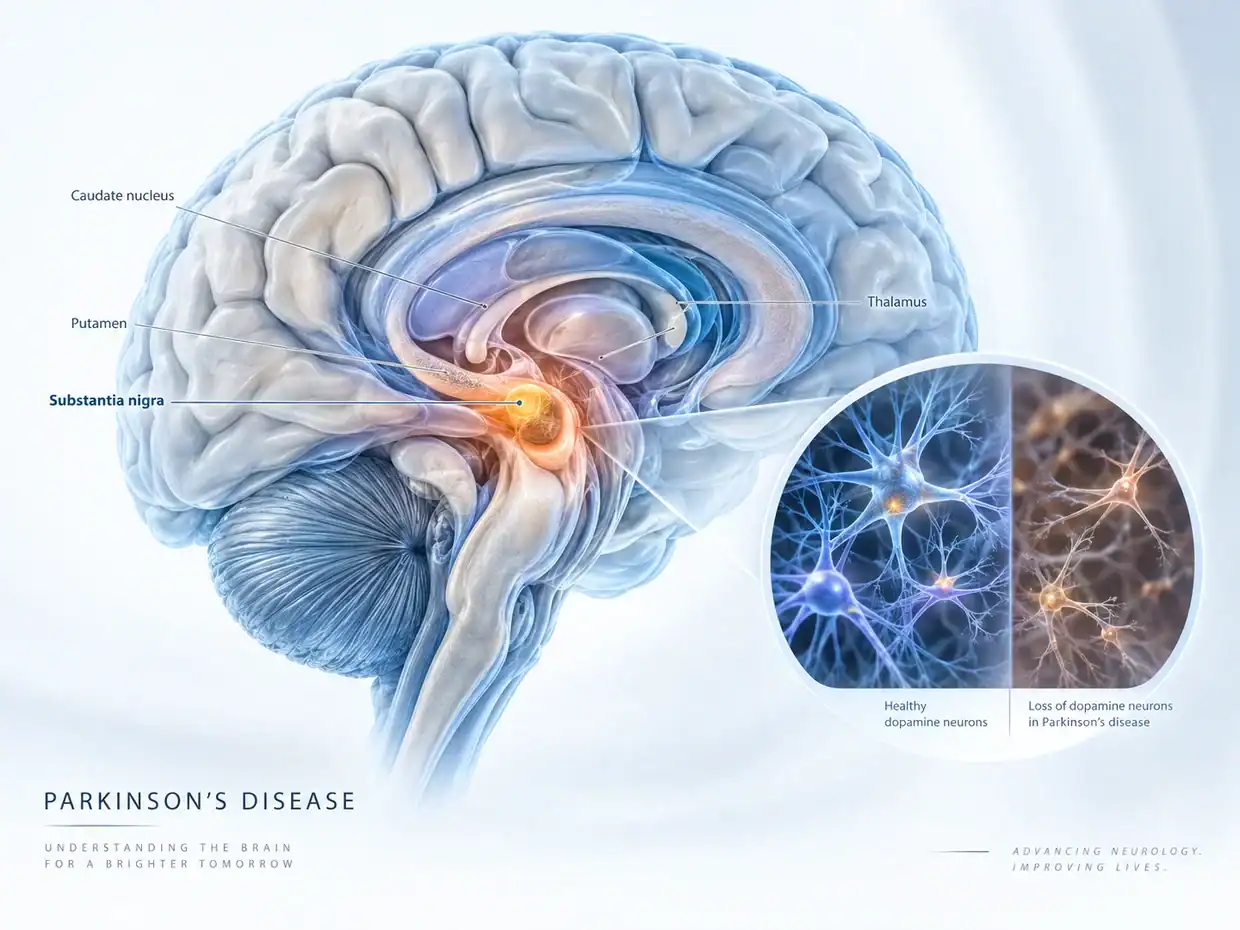
Parkinson’s is a progressive neurological disorder that affects movement. It develops when nerve cells in a specific region of the brain — the substantia nigra — that produce dopamine begin to deteriorate. Dopamine helps control movement, so as those cells are lost, movement becomes harder to initiate and control.
The exact cause is unknown, and a combination of genetic and environmental factors likely plays a role. Symptoms develop gradually and vary between people, but commonly include:
There is no cure for Parkinson’s. Symptoms tend to worsen over time, though the pace varies significantly from person to person.
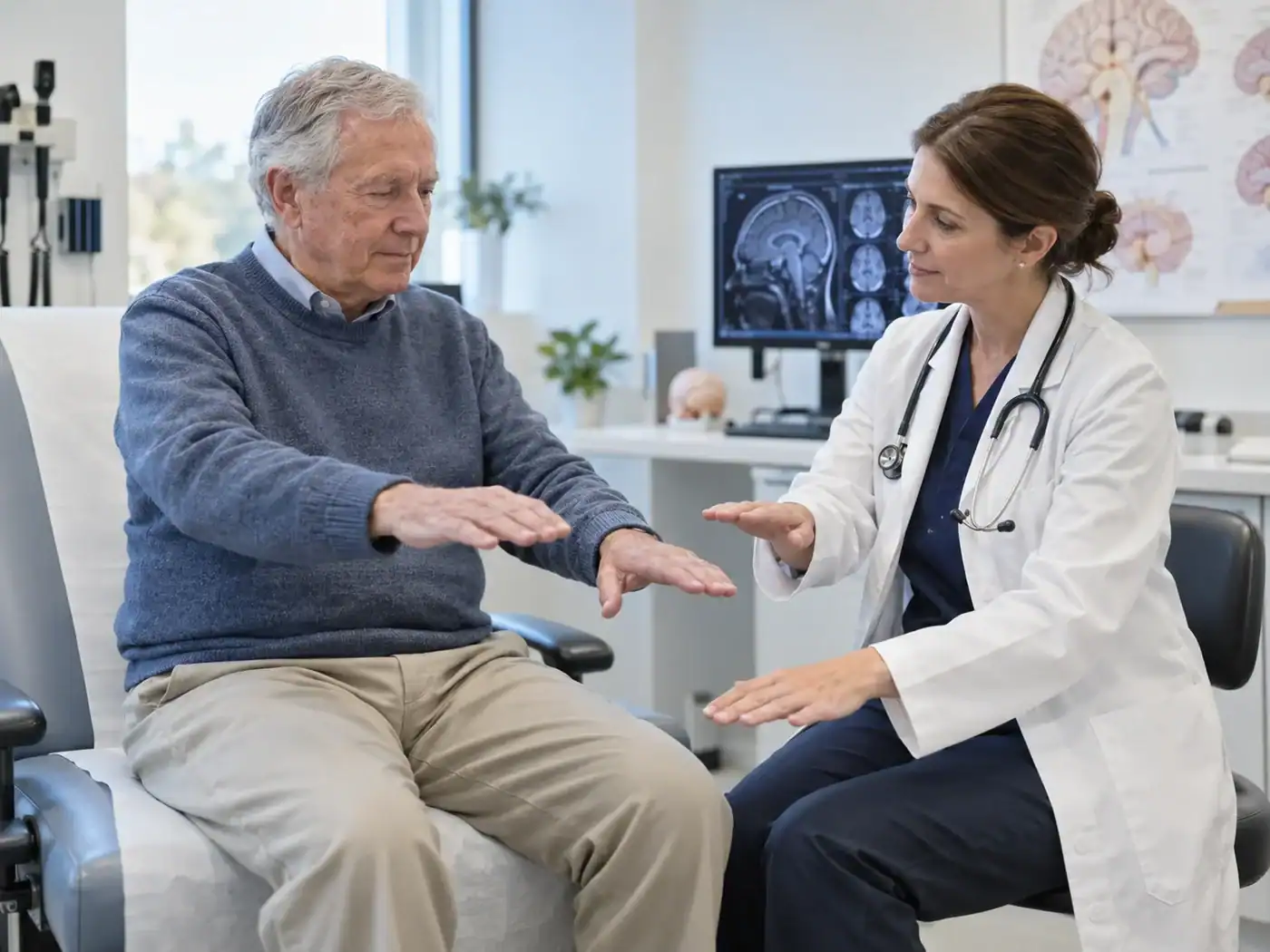
Conventional treatments for Parkinson’s are genuinely useful, and we are not here to talk anyone out of them. But it is worth understanding what each one can and cannot do.
Levodopa is converted into dopamine in the brain and is usually the most effective medication available. Its effectiveness tends to decrease as the disease progresses, requiring higher doses that can bring side effects such as nausea and dyskinesia. Dopamine agonists and MAO-B inhibitors work differently but face the same pattern: effective early on, less so over time, and none of them are curative.
Deep Brain Stimulation (DBS) implants electrodes connected to a generator in the chest, and can meaningfully reduce symptoms for some patients. It is not effective for everyone, carries real risks including hemorrhage and infection, requires careful patient selection, and manages symptoms rather than curing the disease.
Physical and occupational therapy improve mobility, balance and day-to-day independence. Both are genuinely helpful and worth continuing — they just do not slow the underlying neurological decline.
None of these treatments can halt or reverse the neurological decline at the center of Parkinson’s. That is the gap regenerative approaches are aimed at — not as a replacement for what already works, but as an additional angle on the underlying process.
For Parkinson’s and other brain-related neurological conditions, Renovo uses dental pulp stem cells (DPSCs) rather than the umbilical cord cells used in our orthopedic protocols. DPSCs are selected specifically for how they behave in the central nervous system.
Chronic inflammation in the brain is understood to contribute to the ongoing loss of dopamine-producing neurons. DPSCs are used for their capacity to help modulate that inflammatory response.
DPSCs release neurotrophic factors — signaling molecules that support the health of existing nerve cells. The realistic goal is a more supportive environment for the dopaminergic neurons that remain, not the replacement of neurons already lost.
DPSCs carry an immune-privileged profile, meaning they are broadly tolerated without requiring a donor match — relevant for a protocol delivered to patients with varied medical histories.
Stem cell therapy for Parkinson’s disease is an area of active research. It is not a cure and cannot reverse long-standing neural tissue loss. The realistic goals are neuroprotection and symptom stabilization, and outcomes vary between individuals. Everything on this page is offered following a medical evaluation.
$2,100–$9,900USD · stem cell therapy component
Most clinics in this market will not put a number on a page. That leaves you calling around for quotes, which is a bad way to make a medical decision. So here is ours.
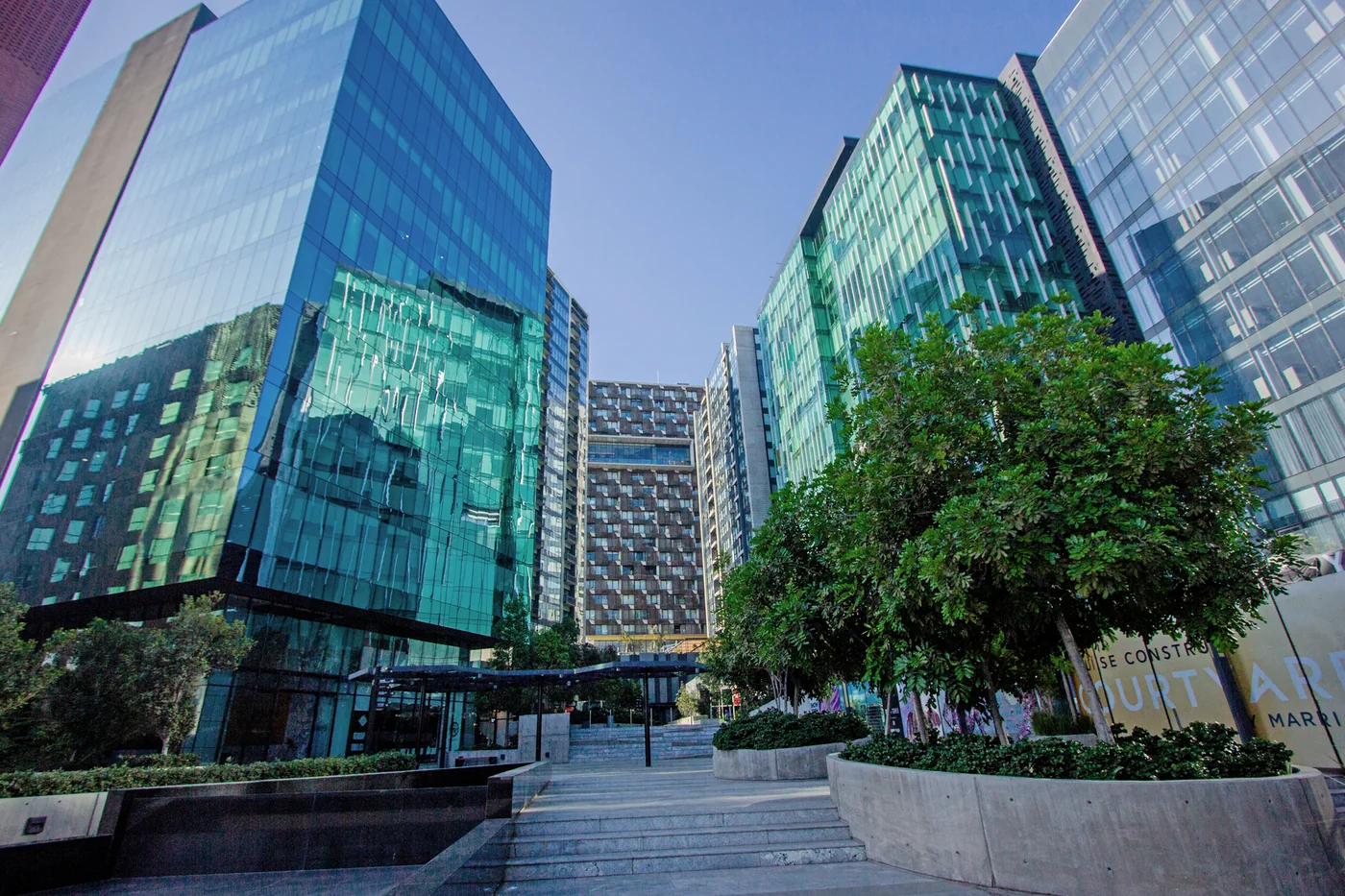
Central Toreo, Tijuana. Renovo Clinic is on the sixth floor, about eight minutes from the border crossing.
Most of our patients drive down from Southern California. For a Parkinson’s patient managing fatigue or mobility changes, knowing the shape of the trip in advance matters.
Before we schedule a consultation, you complete our Medical History & Imaging Questionnaire and upload your prior diagnostic evaluations, medication schedule and symptom history. Dr. Jiménez reviews your case personally, and you find out whether you are a candidate before any travel is booked.
Renovo sits in the Central Toreo complex, roughly eight minutes from the crossing. Bring a valid passport or passport card. Tell us your arrival window and we will help you plan around traffic at San Ysidro and Otay Mesa.
Dr. Jiménez examines you and confirms the protocol. If something in your presentation has changed, the plan changes with it, or we postpone.
Your cell batch is counted and viability-checked on site first. Delivery takes place in the Procedure Room or a clinical examination room, depending on the protocol.
You rest under observation before discharge. We give you written aftercare instructions and stay reachable on WhatsApp once you are back across the border.
No, and be cautious of anyone who says otherwise. Stem cell therapy cannot completely reverse long-standing, advanced neural tissue loss. The realistic goals are neuroprotection — reducing chronic neuroinflammation, supporting the neurons that remain, and potentially helping stabilize symptom progression and quality of life.
Dental pulp stem cells (DPSCs). For brain-related and neurological conditions including Parkinson’s, multiple sclerosis, stroke recovery and autism, Renovo uses DPSCs for their neurotrophic, neuroprotective and immunomodulatory properties. Other protocols, such as orthopedic work, use mesenchymal stem cells derived from human umbilical cord tissue instead.
Cell products are expanded and quality-tested in certified, licensed biotechnology laboratories under regulatory standards before shipment. Renovo does not expand cells on site. On arrival, Renovo performs an independent secondary cell count and verifies viability before any batch is administered.
Delivery takes place in our Procedure Room or a clinical examination room, depending on the protocol Dr. Jiménez recommends for your case. The exact approach is confirmed during your consultation, not decided in advance of an evaluation.
The stem cell component generally ranges from $2,100 to $9,900 USD depending on the protocol and the clinical setting required. Comprehensive packages combining stem cells with supportive therapies cost more. Renovo operates on a self-pay model and does not bill U.S. health insurance. You receive a single, fixed package price with no hidden fees before committing.
Yes. We offer a free virtual consultation where our clinical team reviews your medical history, symptom progression, medication schedule and prior diagnostic evaluations to help determine candidacy, before any travel or cost is involved.
Length of stay depends on the protocol and is confirmed during the pre-travel consultation, before travel is booked.
Yes. Every patient’s medical history is screened, and the clinical team declines or postpones candidates when there is a contraindication such as an active uncontrolled infection or medical instability.
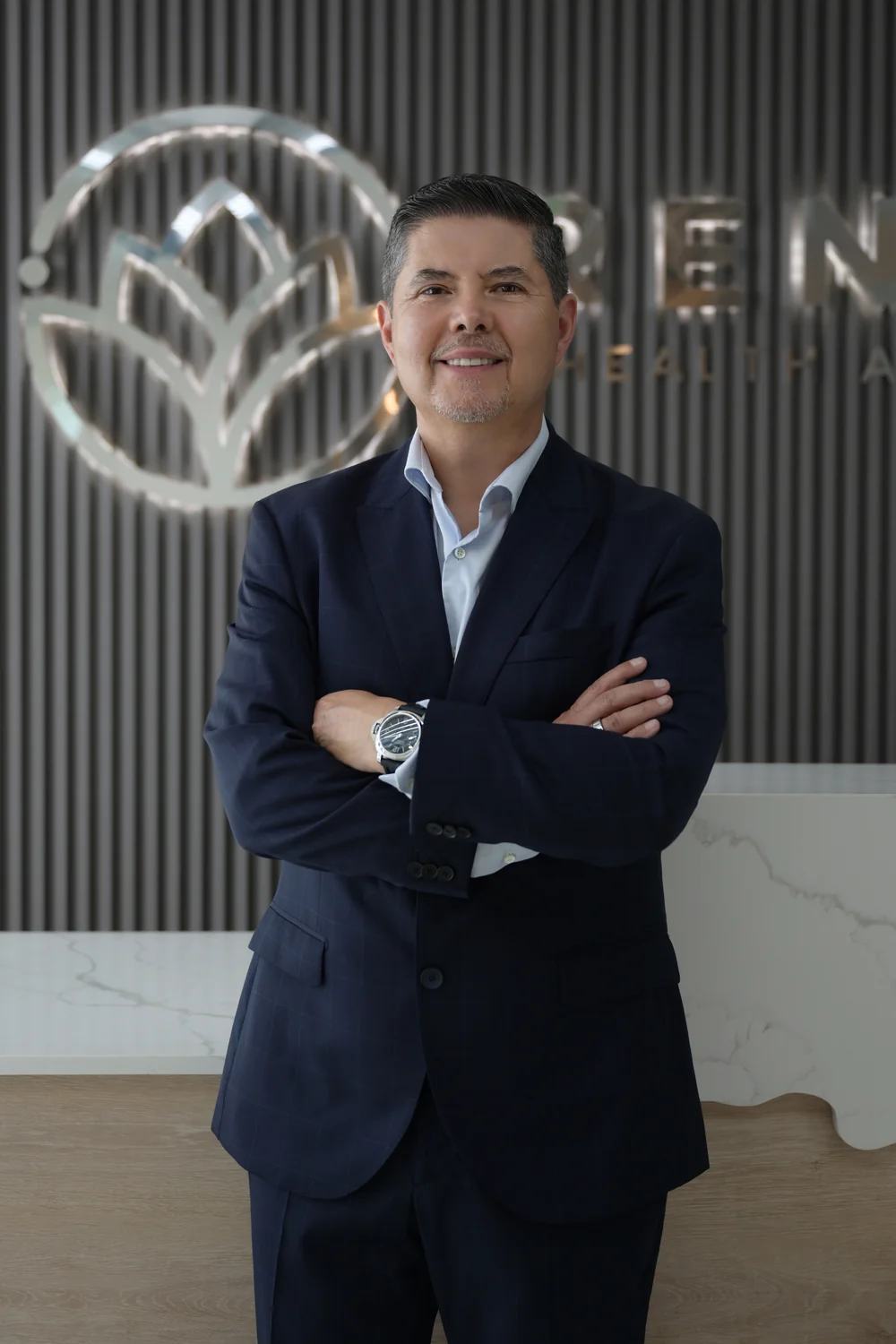
He has practised medicine for more than 30 years. He is a Medical Doctor and Surgeon, a graduate of UNAM, and a Specialist in Critical Care Medicine and Intensive Care, with advanced training in stem cell therapy, sports medicine and musculoskeletal ultrasound.
He sets every protocol personally, including which cell type and delivery route a neurological case requires, and he is the one who decides whether a patient is a candidate.
Tell us about your diagnosis, your current medications and what has changed recently. We will tell you honestly whether we think we can help — including what this treatment can and cannot realistically do.