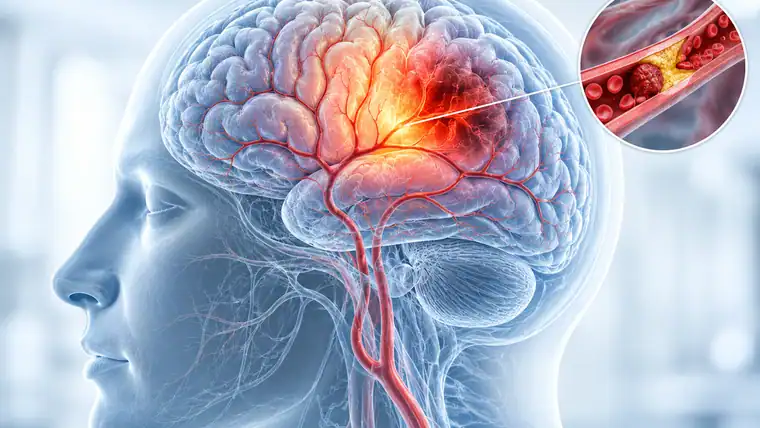
Medical illustration of a stroke, showing a blocked blood vessel and the affected region of the brain highlighted in red and orange, with an inset detail of the arterial blockage

Stem cell therapy for stroke recovery in Tijuana

Renovo supports stroke recovery with dental pulp stem cells, chosen for their neuroprotective and anti-inflammatory behavior in the central nervous system. Eight minutes from the San Diego border, and we publish what treatment costs.

  • Neuroprotective dental pulp stem cells
  • Every cell batch verified on site
  • COFEPRIS licensed clinic

Get in touch

Send us a message and our team will get back to you shortly. No cost, no obligation.

Renovo Clinic operates on a self-pay model and does not bill U.S. health insurance.

Renovo Clinic in Tijuana

Meet Dr. José A. Jiménez

Founder and Medical Director of Renovo Clinic. He sets every protocol personally, and he is the one who decides whether a patient is a candidate.

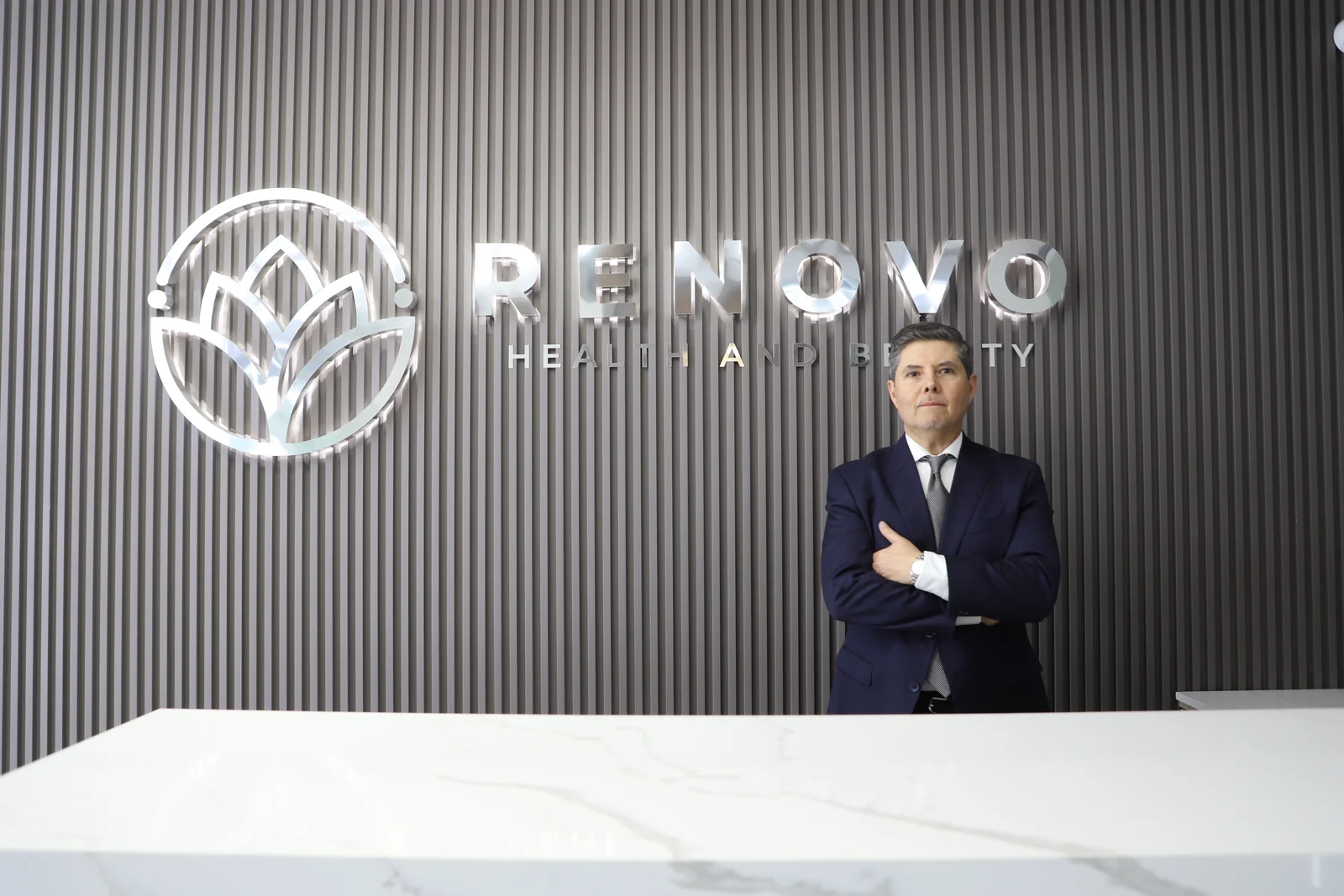
Dr. José A. Jiménez at the reception desk of Renovo Clinic in Tijuana
  • 30+ yearsIn medical practice
  • 8 minutesFrom the US border to our door
  • Every batchCounted and viability-checked on site
  • $2,100–$9,900Published stem cell price range

Understanding stroke and its long-term impact

A stroke occurs when blood flow to the brain is interrupted — either by a blockage (ischemic stroke) or a rupture (hemorrhagic stroke). Within minutes, brain cells begin to die, and the effects vary widely depending on which part of the brain was affected.

For many survivors, the hardest part is that recovery has a ceiling. Once the initial rehabilitation window closes, improvement often slows considerably. Common long-term challenges include:

  • Weakness or paralysis on one side of the body. Known as hemiplegia or hemiparesis.
  • Difficulty with speech and communication. Known as aphasia.
  • Memory problems and cognitive changes.
  • Fatigue and reduced endurance.
  • Balance and coordination difficulties.
  • Emotional changes. Including depression and anxiety.

Patients and families often ask: is there more that can be done once conventional rehabilitation plateaus? Regenerative medicine is one of the areas being explored as part of that broader conversation.

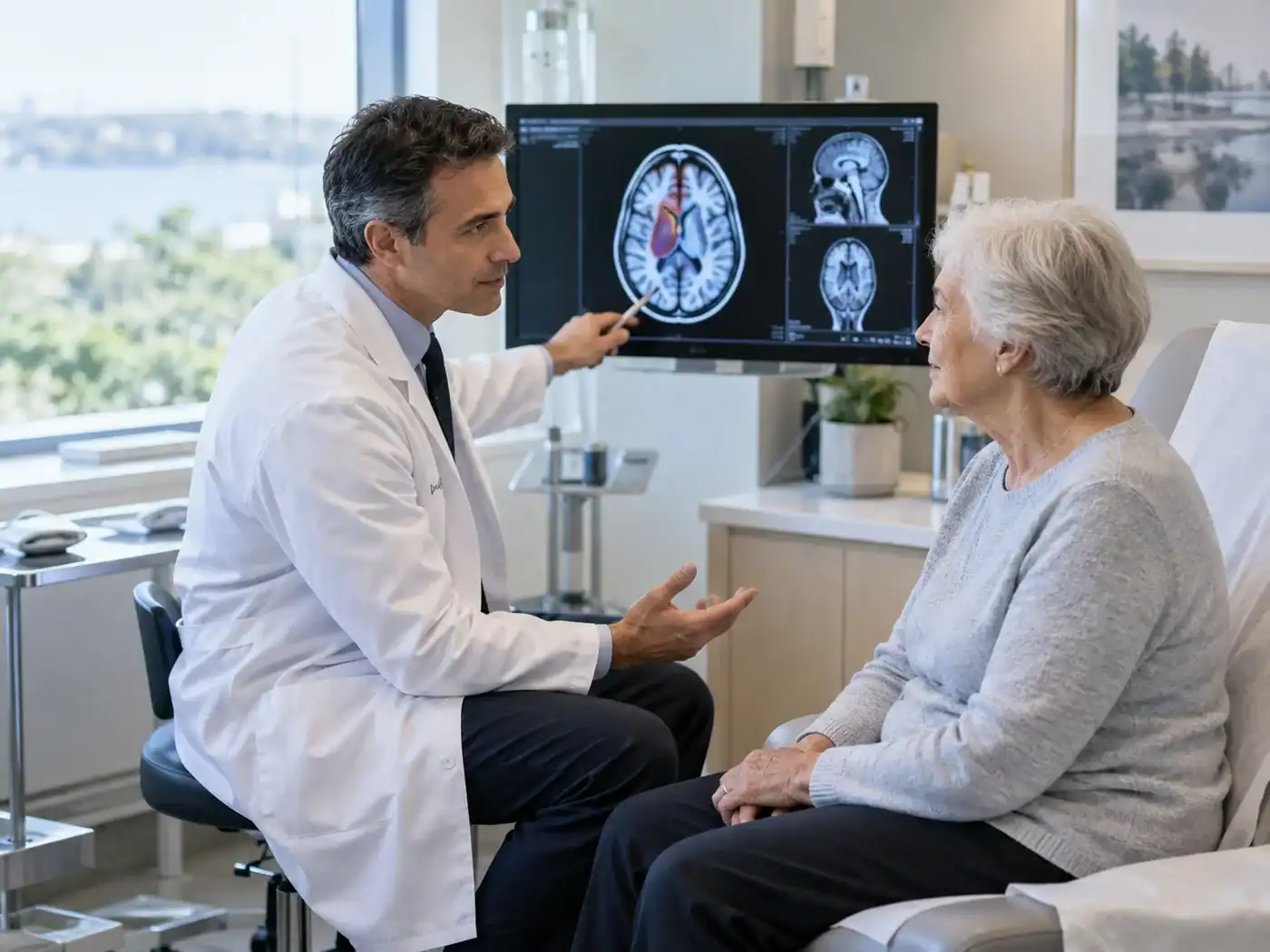
A physician reviewing brain MRI scans with an older patient during a neurological consultation

How the treatment is meant to work

For stroke recovery and other brain-related neurological conditions, Renovo uses dental pulp stem cells (DPSCs) rather than the umbilical cord cells used in our orthopedic protocols. DPSCs are selected specifically for how they behave in the central nervous system.

Anti-inflammatory support

Following a stroke, prolonged inflammation can contribute to secondary injury in brain tissue. DPSCs are used for their capacity to help modulate that inflammatory response, aiming for a more favorable environment for recovery.

Neuroprotection

DPSCs release neurotrophic factors that may support the survival of neurons near the injured area, helping preserve neural pathways that remain intact after a stroke.

Neuroplasticity support

The brain has a real capacity to rewire and adapt after injury — neuroplasticity. Cell-based support is explored as a complement to this process, particularly alongside active rehabilitation rather than instead of it.

Stem cell therapy for stroke recovery is an area of active research. It is not a cure and cannot reverse existing neurological damage. The realistic goals are neuroprotection, a supportive environment for recovery, and quality-of-life outcomes such as reduced fatigue and improved day-to-day function. Outcomes vary between individuals, and we encourage every patient to keep their existing medical team informed. Everything on this page is offered following a medical evaluation.

Is this right for your stroke recovery?

Stem cell therapy is not appropriate for every stroke survivor, and we are direct about that during the consultation. Patients who tend to respond most consistently share a few things in common: they are generally at least 3–6 months post-stroke and have completed, or are actively engaged in, conventional rehabilitation; they have stable underlying health and are medically cleared to travel; they hold realistic expectations — this is a supportive tool, not a cure; and they intend to keep up rehabilitation and healthy lifestyle habits alongside treatment.

We also work with patients earlier in their recovery to talk through timing, including whether waiting makes sense for their case.

Renovo does not guarantee specific outcomes. Results vary based on stroke type, severity, time since the event, age, and overall health. Conventional rehabilitation — physical, speech and occupational therapy — and this treatment are not an either/or choice; many patients pursue both together.

What you actually receive

  • Dental pulp stem cells (DPSCs). Selected for neurological protocols specifically, for their neurotrophic, neuroprotective and immunomodulatory properties — a different cell type from the umbilical cord MSCs used in our orthopedic work.
  • Expansion in certified outside laboratories. We do not expand cells on our premises. All cell products are expanded and quality-tested in certified, licensed biotechnology laboratories under regulatory standards before shipment to us.
  • An independent check on arrival. Every batch goes through rigorous on-site quality control — an independent secondary cell count and a viability check — before it is administered.
  • A thorough intake before any protocol is discussed. We review your medical history, the nature and timing of your stroke, current medications, and your rehabilitation history first.
  • A personalized protocol. No two stroke patients are alike. Cell type, delivery method and any adjunct therapies are developed around your individual profile — we do not offer one-size-fits-all packages.
  • Screening that can end in a no. Candidates with contraindications, or whose presentation is not well matched to this treatment, are declined or referred back to their existing care team.

What stroke recovery treatment costs

$2,100–$9,900USD · stem cell therapy component

Most clinics in this market will not put a number on a page. That leaves you calling around for quotes, which is a bad way to make a medical decision. So here is ours.

  • What sets your figure inside that range. Cell quantity, protocol complexity, and the clinical setting your plan requires.
  • Comprehensive protocols run above the range. We usually combine stem cells with supportive therapies to assist recovery. That is a package, and it adjusts the total.
  • We are self-pay. Renovo does not bill U.S. health insurance, and we do not operate on hidden fees or upselling. Once your personalized treatment plan is issued, you receive a single, fixed package price before you commit to anything.
Get a written quote for your case
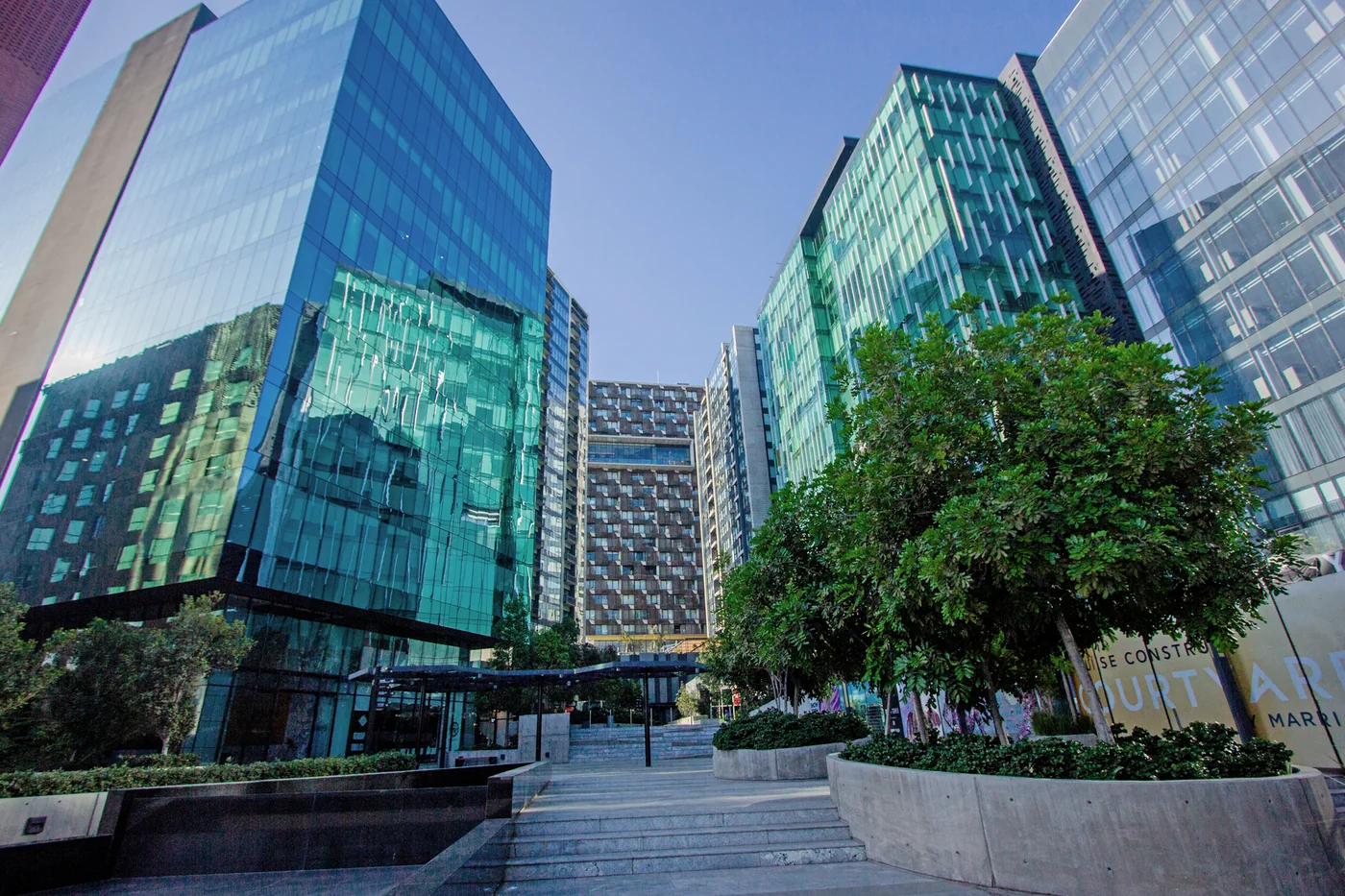
The glass towers of the Central Toreo complex in Tijuana, where Renovo Clinic is located

Central Toreo, Tijuana. Renovo Clinic is on the sixth floor, about eight minutes from the border crossing.

Planning your visit from San Diego

Most patients visit for three to five days for the core protocol. Here is the shape of the trip in advance.

  1. Complete your Medical Questionnaire

    Before we schedule a consultation, you complete our Medical History & Imaging Questionnaire and upload your prior diagnostic evaluations, medication schedule and rehabilitation history. Dr. Jiménez reviews your case personally, and you find out whether you are a candidate before any travel is booked.

  2. Crossing the border

    Renovo sits in the Central Toreo complex, roughly eight minutes from the crossing. Bring a valid passport or passport card. Tell us your arrival window and we will help you plan around traffic at San Ysidro and Otay Mesa.

  3. Examination on the day

    Dr. Jiménez examines you and confirms the protocol. If something in your presentation has changed, the plan changes with it, or we postpone.

  4. Treatment

    Your cell batch is counted and viability-checked on site first. Delivery takes place in the Procedure Room or a clinical examination room, depending on the protocol.

  5. Recovery and going home

    You rest under observation before discharge. Some patients return for follow-up sessions depending on progress and goals. We give you written aftercare instructions and stay reachable on WhatsApp once you are back across the border.

Questions we get asked

Does this replace physical, speech or occupational therapy?

No. Conventional rehabilitation trains the brain and body to compensate for lost function, which is a different mechanism from what stem cell therapy is aimed at. The two are not mutually exclusive, and many patients pursue both together. We encourage keeping your existing rehabilitation team involved throughout.
How soon after a stroke can someone be treated?

This varies by patient, but most clinicians recommend waiting at least 3 to 6 months post-stroke so the acute recovery phase can stabilize first. We evaluate each case individually and can advise on timing during your consultation.

How long should I plan to be in Tijuana?

Most patients visit for three to five days for the core protocol. Some return for follow-up sessions depending on progress. We help you build a realistic timeline that fits your recovery plan.

Can this help with speech and language difficulties?

Some patients pursuing support for aphasia have used this as a complementary measure. Outcomes in this area vary considerably and we do not make specific promises about speech recovery. Your consultation includes an honest discussion of what is realistic for your situation.

Do you treat both ischemic and hemorrhagic stroke?

Our clinical team has experience with survivors of both types. The specific protocol recommended depends on your individual case and medical history.

What kind of stem cells do you use?

Dental pulp stem cells (DPSCs). For brain-related and neurological conditions including stroke recovery, Parkinson’s, multiple sclerosis and autism, Renovo uses DPSCs for their neurotrophic, neuroprotective and immunomodulatory properties. Orthopedic protocols use mesenchymal stem cells derived from human umbilical cord tissue instead.

How much does it cost, and does insurance cover it?

The stem cell component generally ranges from $2,100 to $9,900 USD depending on the protocol and clinical setting required. This is not typically covered by U.S. insurance. Renovo operates on a self-pay model. You receive a single, fixed package price with no hidden fees before committing.

Could I be turned down for treatment?

Yes. Every patient’s medical history is screened, and the clinical team declines or postpones candidates when there is a contraindication or when the case is not well matched to what this treatment can realistically offer.

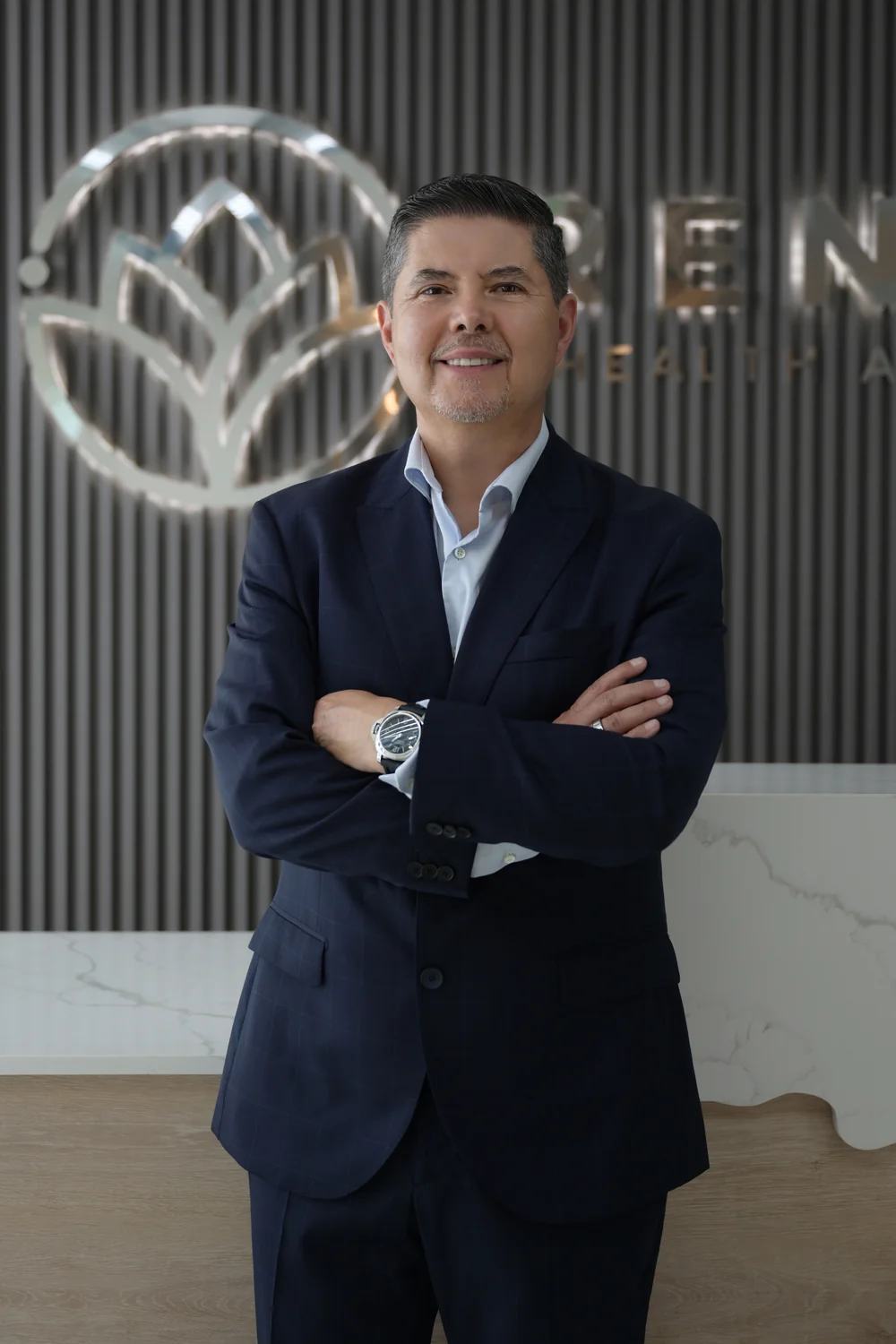
Dr. José A. Jiménez, Medical Director of Renovo Clinic in Tijuana

About Dr. José A. Jiménez, Medical Director

He has practised medicine for more than 30 years. He is a Medical Doctor and Surgeon, a graduate of UNAM, and a Specialist in Critical Care Medicine and Intensive Care, with advanced training in stem cell therapy, sports medicine and musculoskeletal ultrasound.

He sets every protocol personally, including which cell type and delivery route a neurological case requires, and he is the one who decides whether a patient is a candidate.

  • Medical Doctor and SurgeonUniversidad Nacional Autónoma de México · Professional License No. 1568215
  • Specialist, Critical Care Medicine and Intensive CareSpecialty License No. 3444273
  • Advanced trainingStem cell therapy · Sports medicine · Musculoskeletal ultrasound
  • Clinic health licenceCOFEPRIS-02-002-A · Advertising Notice 2402022002A00037

Start with an honest assessment, not a booking

Tell us about your stroke, your rehabilitation so far, and what has changed recently. We will give you an honest answer about what we think we can realistically offer — including when the answer is more time before treatment makes sense.