


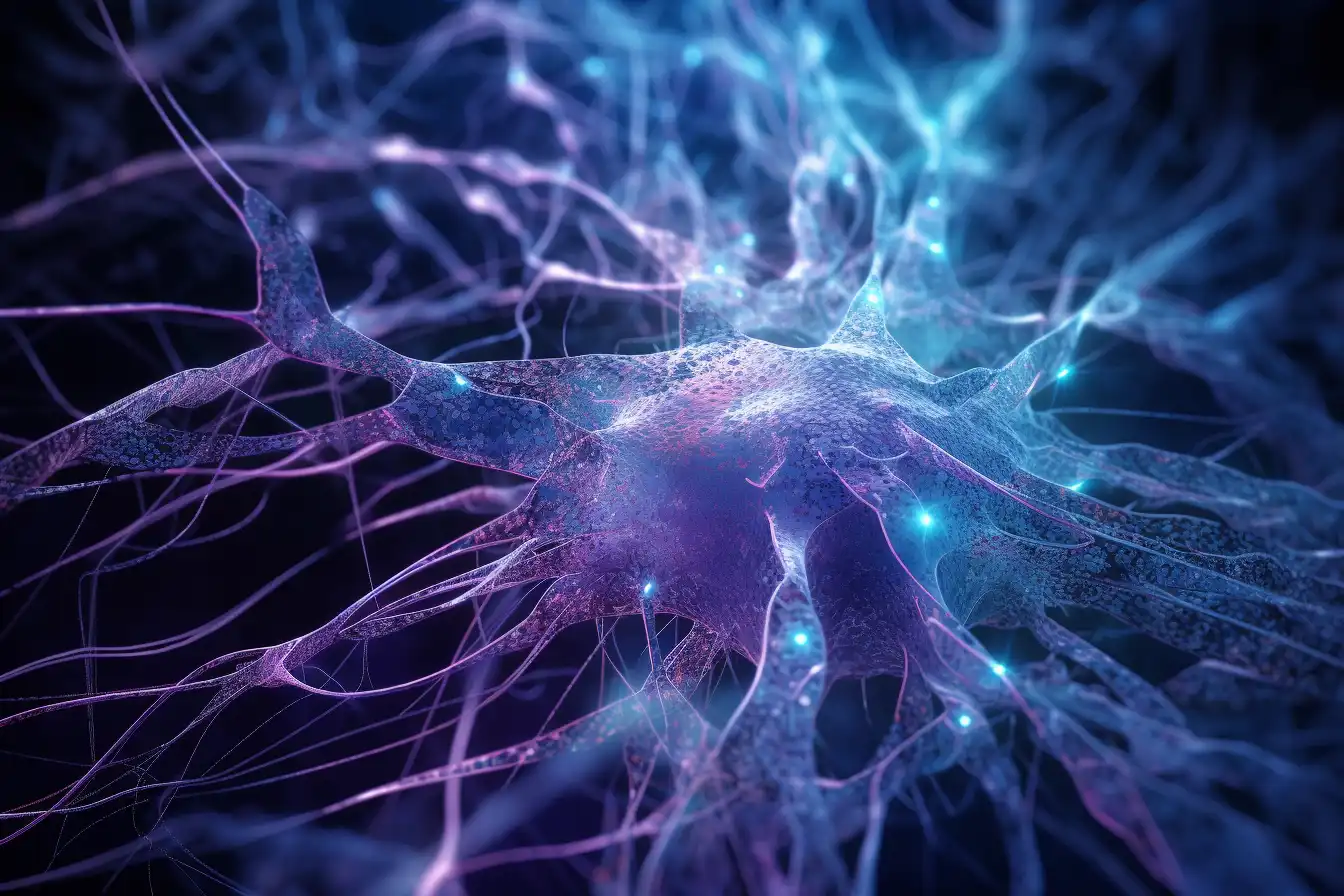
Are you looking for regenerative treatment options for a complex health condition? Stem cell therapy for neurological disorders is a promising and actively researched approach. Neurological disorders have long been one of the most challenging areas of medical science. Conditions such as Parkinson’s disease, multiple sclerosis, ALS, and spinal cord injuries can severely affect quality of life and limit the ability to perform everyday tasks.
Traditional treatment methods often fall short of providing lasting relief or meaningful improvement for patients living with these conditions. Stem cell therapy offers an innovative approach that aims to address neurological disorders at a deeper biological level, rather than managing symptoms alone.
Key Takeaways
- Neurological disorders involve progressive nerve or brain cell damage, inflammation, and loss of function.
- Stem cell therapy is being researched for its potential to support neural repair, reduce inflammation, and protect existing nerve pathways.
- Renovo treats a broad range of neurological conditions - from Alzheimer's and Parkinson's to spinal cord injury and neuropathy.
- Treatment is physician-supervised, individualized, and delivered at our clinic in Tijuana, minutes from the San Diego border.
- Stem cell therapy is not a guaranteed cure; the goal is to support function, slow progression, and improve quality of life.
Let’s Talk About Neurological Disorders
Neurological disorders encompass a broad spectrum of conditions that affect the brain, spinal cord, and nerves, resulting in a wide range of physical and cognitive impairments. These disorders can be present from birth, acquired through injury or infection, or develop over time due to aging or other factors.
Some of the most common neurological disorders include:
- Alzheimer's disease
- Parkinson's disease
- Amyotrophic lateral sclerosis (ALS)
- Multiple sclerosis
- Stroke
- Cerebral palsy
Living with a neurological disorder can be incredibly challenging for patients and their families. Symptoms vary depending on the type and severity of the condition, and may include memory loss, muscle weakness, tremors, seizures, difficulty speaking or swallowing, and impaired coordination.
Get in Touch
Send us a message and our team will get back to you shortly.
The Problem with Traditional Treatments for Neurological Disorders
Traditional treatments for neurological disorders have faced significant challenges in providing comprehensive relief. While they may help alleviate some symptoms, they often fall short of addressing the root causes of these complex conditions.
One of the primary issues with conventional treatments is their focus on symptom management rather than disease modification. Medications are commonly prescribed to control symptoms such as pain, tremors, or muscle spasms. However, these drugs may come with unwanted side effects and may not halt the progression of the underlying condition. This can leave patients reliant on ongoing medication without experiencing significant improvements in overall health and quality of life.
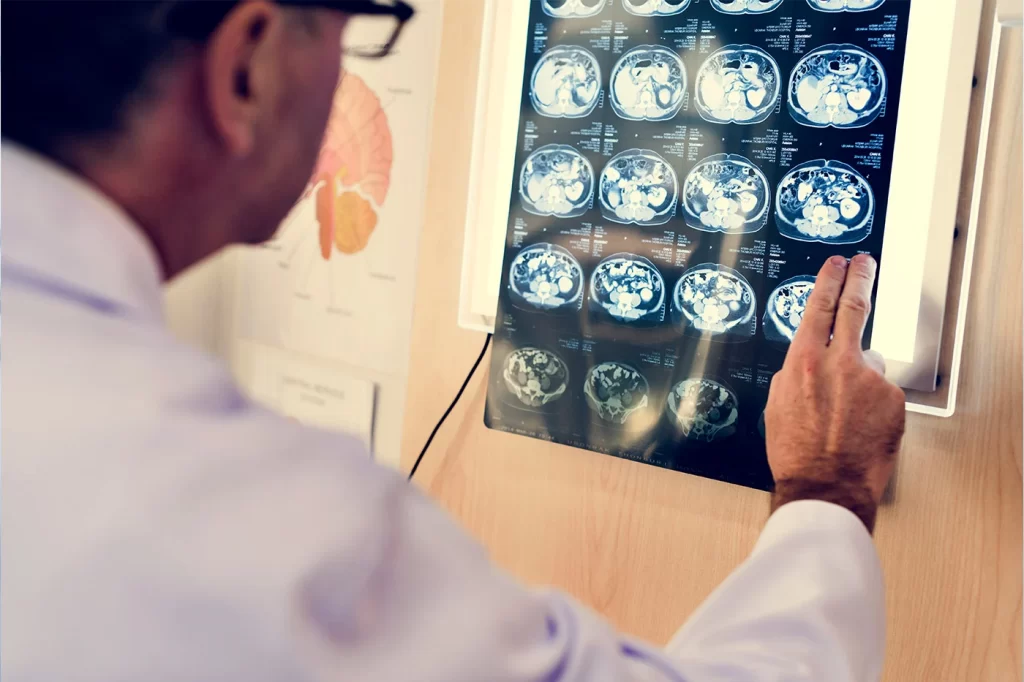
Surgical interventions are also often limited in scope and may not be suitable for all patients. Each patient’s experience with a neurological condition can differ significantly, making it difficult to find a one-size-fits-all approach and hard to predict outcomes accurately.
To address these limitations, there has been growing interest in regenerative approaches such as stem cell therapy, which aim to support tissue repair and target the underlying processes of these conditions.
A Look at the Research Behind Stem Cell Therapy for Neurological Disorders
Stem cells, with their ability to differentiate into various specialized cell types, may help promote tissue repair, reduce inflammation, and support the growth of new nerve cells. By targeting the underlying processes of neurological disorders, stem cell therapy is being studied as a more personalized approach to neurological care. Ongoing research and clinical trials continue to enhance understanding of this evolving field.
A 2019 review study published in the South African Medical Journal discusses how neurological diseases are a leading global health concern with limited treatment options. It notes that over 200 clinical studies have explored using stem cells to treat conditions like multiple sclerosis and stroke, and that this regenerative option shows promise.
Another 2019 study published in Neurobiology of Disease discusses how an aging population is expected to see an increase in neurological disorders that currently have no cures. It concludes that, used with appropriate precaution, stem cell therapy shows promise in alleviating some of the harmful effects of these diseases and of aging.
A 2009 study published in the International Journal of Health Sciences concluded that stem cells have significant potential in treating various neurological disorders. As unspecialized cells that can develop into different cell types – including nerve cells – they are a promising source of replacement cells and tissues for conditions like Parkinson’s, Alzheimer’s, and spinal cord injury.
Neurological Conditions We Treat
Renovo offers stem cell therapy protocols for a wide range of neurological conditions. Explore each condition below to learn how regenerative medicine may support it:
A progressive neurodegenerative condition affecting memory, thinking, and behavior. Stem cell therapy is being explored for its potential to support neural function and modulate the inflammation associated with cognitive decline. Learn more about stem cell therapy for Alzheimer’s →
A movement disorder driven by the loss of dopamine-producing neurons, leading to tremor, stiffness, and balance changes. Regenerative approaches are studied for their potential to support affected neurons and ease symptom burden. Learn more about stem cell therapy for Parkinson’s →
ALS (Amyotrophic Lateral Sclerosis)
A progressive disease affecting the motor neurons that control voluntary muscle movement. Stem cell therapy is being researched for its potential neuroprotective and anti-inflammatory effects. Learn more about stem cell therapy for ALS →
An autoimmune condition in which the immune system attacks the protective myelin surrounding nerves. Stem cell therapy is explored for its immunomodulatory potential and its support of nerve function. Learn more about stem cell therapy for MS →
A neurodevelopmental condition affecting communication, behavior, and social interaction. Stem cell therapy is being studied for its potential to modulate immune activity and neuroinflammation. Learn more about stem cell therapy for autism →
After a stroke, damage to brain tissue can affect movement, speech, and cognition. Regenerative therapy is explored for its potential to support neural repair during the recovery process. Learn more about stem cell therapy for stroke →
Traumatic brain injury can cause lasting changes to cognition, mood, and physical function. Stem cell therapy is being researched for its potential to support the brain’s natural repair processes. Learn more about stem cell therapy for TBI →
A group of disorders affecting movement and posture, caused by damage to the developing brain. Regenerative approaches are studied for their potential to support motor function and quality of life. Learn more about stem cell therapy for cerebral palsy →
Damage to the spinal cord can disrupt communication between the brain and the body. A meta-analysis of 62 studies covering more than 2,400 spinal cord injury patients reported that over 40% experienced improved urinary and gastrointestinal function following stem cell therapy. Learn more about stem cell therapy for spinal cord injury →
Peripheral neuropathy causes pain, numbness, and weakness, often in the hands and feet. Stem cell therapy is explored for its potential to support damaged nerves and reduce associated inflammation. Learn more about stem cell therapy for neuropathy →
Why We Use Dental Pulp Stem Cells for Neurological Conditions
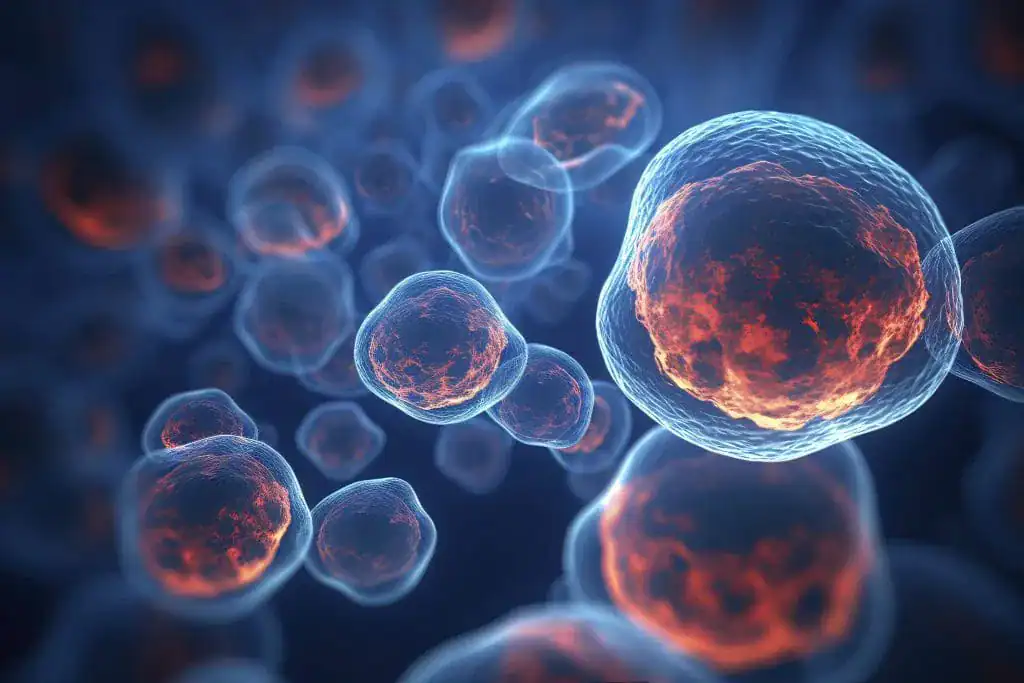
Not all stem cells are equally suited to every condition. For neurological conditions specifically, Renovo uses Dental Pulp Stem Cells (DPSCs) – and the reason begins with where these cells come from.
DPSCs originate from the neural crest, the same embryonic tissue that gives rise to much of the nervous system. This shared developmental origin gives DPSCs a natural affinity for neural tissue and distinguishes them from the umbilical cord-derived mesenchymal stem cells used in general regenerative protocols. Because of this lineage, DPSCs naturally express a range of neural markers and have a strong capacity to develop along neural lines – properties researchers have studied for repairing central nervous system injury and supporting neurodegenerative conditions.
One of the most important characteristics of DPSCs is their secretion of neurotrophic factors – signaling proteins such as brain-derived neurotrophic factor (BDNF), glial cell-derived neurotrophic factor (GDNF), and neurotrophin-3. These factors help support the survival of existing neurons and encourage the regeneration of nerve fibers. A 2022 review in Neurochemistry International describes how DPSCs, owing to their neural crest origin, hold notable potential for neuronal differentiation and express neurotrophic factors that help protect injured neurons.
DPSCs also express immunoregulatory factors that help control neuroinflammation – a significant driver of damage in many neurological conditions – supporting a more favorable environment for neural repair. A 2023 review in the Journal of Clinical Medicine notes that DPSCs express neurotrophic and immunomodulatory factors and can promote blood vessel formation and nerve regeneration, making them a promising cell source for nerve repair.
In short, the combination of a neural crest origin, neurotrophic support, neurogenic potential, and immunomodulation is why Renovo selects DPSCs specifically for brain, spinal cord, and nerve-related conditions – while continuing to use umbilical cord-derived mesenchymal stem cells for our general regenerative protocols.
Our Quality Control and Treatment Process
Every cell batch undergoes quality control on arrival at our clinic. Using specialized on-site laboratory technology, we perform an independent secondary cell count and verify cell viability before any cells are administered to a patient.
Depending on the condition and the treating physician’s assessment, cells may be delivered by intravenous infusion or, for certain protocols, by targeted image-guided administration using ultrasound or fluoroscopy for precise anatomical placement. Higher-complexity applications are performed in our dedicated treatment suite.
Every patient is screened individually. Our clinical team carefully reviews each person’s medical history and will decline or postpone treatment where contraindications could compromise patient safety.
The Benefits of Treatment at Renovo in Tijuana
Renovo Health and Beauty in Tijuana offers a compelling alternative to receiving treatment in the United States for neurological conditions. One of the most significant advantages is the lower cost of care, which makes advanced regenerative treatment accessible to a broader range of patients.
Beyond cost, patients benefit from physician oversight throughout the treatment process, individualized protocols based on medical history and condition, on-site cell quality verification, and a clean, modern clinical environment. Our location places us just minutes from the San Diego border, making travel straightforward for patients coming from the United States and Canada.
Our focus is not to oversell treatment, but to help each patient clearly understand their options, the realistic expectations, and whether they are an appropriate candidate.
Contact Renovo Health Today to Learn More About Stem Cell Therapy for Neurological Disorders
Are you or a loved one living with a neurological disorder and seeking new options for treatment? Renovo Health and Beauty in Tijuana offers stem cell therapy protocols for conditions affecting the brain, spinal cord, and nerves.
To learn more about how stem cell therapy might be able to help, contact our experienced medical team today. Our specialists will provide personalized information about the potential benefits of treatment for your specific condition.
As part of our commitment to educating our patients, we also offer a complimentary Stem Cell Therapy eBook covering the latest research and its potential applications. Fill out the form below or contact us directly to download your free copy and take the first step toward exploring your options.
Frequently Asked Questions
Neurological disorders often involve progressive degradation of neurons and chronic neuroinflammation within the central nervous system. Stem cell therapy approaches these conditions by targeting localized inflammation, releasing neurotrophic growth factors, and supporting neurovascular repair. Together, these mechanisms work to protect existing neural pathways, support cellular communication, and stimulate the body’s natural regenerative responses.
For neurological conditions, Renovo uses Dental Pulp Stem Cells (DPSCs). Because DPSCs originate from the neural crest – the embryonic tissue that gives rise to the nervous system – they naturally express neural markers and secrete neurotrophic factors such as BDNF and GDNF that support neuronal survival and nerve regeneration, along with immunomodulatory factors that help control neuroinflammation. This makes them particularly well suited to conditions of the brain, spinal cord, and nerves. All cells are processed in certified GMP-grade laboratory facilities and independently verified for viability on-site before administration. (For general, non-neurological regenerative protocols, Renovo uses umbilical cord-derived mesenchymal stem cells.)
It is essential to maintain realistic clinical expectations. Stem cell therapy is not a definitive cure and cannot completely reverse long-standing structural nerve death or severe brain tissue scarring. Instead, the primary goals focus on neuroprotection, slowing disease progression, reducing chronic inflammation, and optimizing a patient’s daily cognitive and functional quality of life.
Delivery depends on the specific protocol and the treating physician’s assessment. Many neurological protocols use minimally invasive intravenous (IV) infusion, while certain protocols use targeted image-guided delivery for precise placement. Most treatments are performed on an outpatient basis with minimal downtime; your care team will explain what to expect for your specific plan.
Renovo delivers regenerative care under professional physician oversight at a state-of-the-art facility in Tijuana. Patients from the U.S. and Canada gain access to cellular protocols that can face significant domestic regulatory barriers, extensive waitlists, or prohibitive out-of-pocket costs at home – located just minutes past the San Diego border.
We offer a free, private virtual medical consultation. Our clinical specialists review the patient’s neurological history, current physical or cognitive symptoms, and any recent diagnostic records to determine candidacy and build a safe, customized care plan tailored to their needs.