


-
Tijuana, MX - Accepting Patients Worldwide
Regenerative Medicine with Wharton’s Jelly-Derived Mesenchymal Stem Cells (WJ-MSCs) in Dental Treatments
What is Wharton’s Jelly?
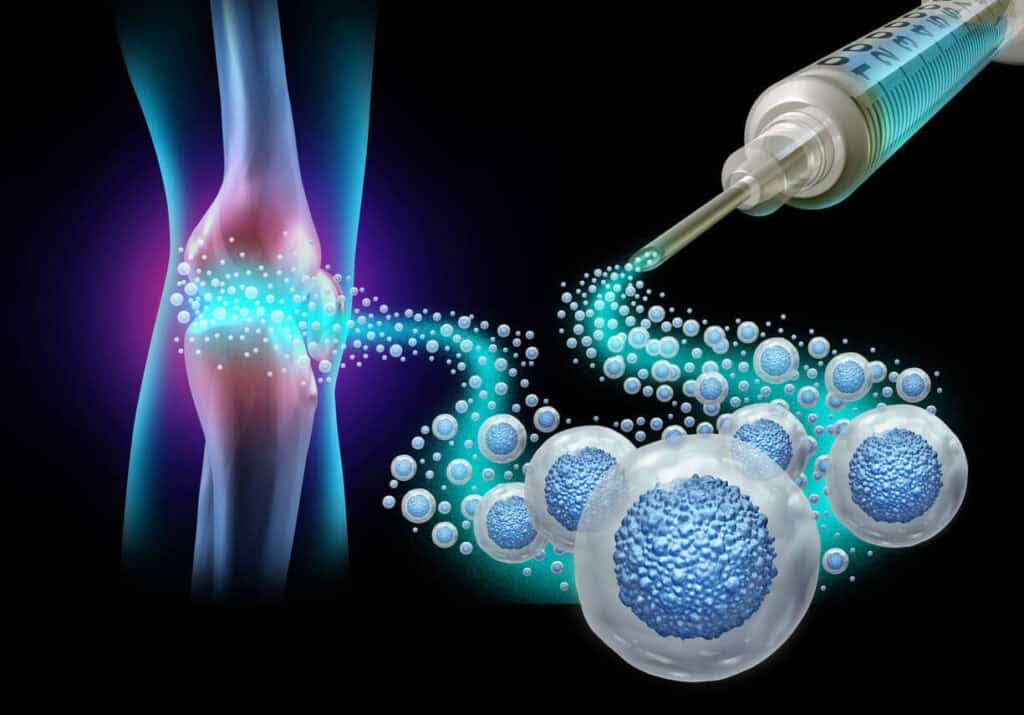
Wharton’s Jelly is a gelatinous connective tissue found in the umbilical cord, rich in mesenchymal stem cells (MSCs). These cells are:
- Multipotent, capable of differentiating into osteoblasts, chondrocytes, adipocytes, and neural cells.
- Immunomodulatory, with anti-inflammatory and pro-healing effects.
- Low immunogenic, making them suitable for allogeneic applications (i.e., donor to patient).
Get an Appointment
Complete The Form Below And We’ll Get Back To You Immediately.
Applications in Dentistry and Oral Health
1. Periodontal Disease and Gingival Regeneration
Indication: Chronic periodontitis, gingival recession, alveolar bone loss.
- Mechanism: WJ-MSCs can regenerate soft tissues and bone by secreting growth factors like VEGF, TGF-β, and PDGF.
- Delivery: Direct injection into periodontal pockets or surgical placement in scaffolds or membranes during flap surgeries.
- Evidence: Clinical studies show significant improvement in clinical attachment level (CAL) and bone fill.
Age Group: Adolescents (with severe periodontitis), Adults, Older adults.
Get an Appointment
Complete The Form Below And We’ll Get Back To You Immediately.
2. Dental Pulp Regeneration (Regenerative Endodontics)
Indication: Necrotic immature permanent teeth, irreversible pulpitis.
- Mechanism: WJ-MSCs differentiate into odontoblast-like cells, promoting dentin-pulp complex regeneration.
- Delivery: Injected directly into the root canal system after cleaning and disinfection.
- Combination: Often used with platelet-rich fibrin (PRF) or hydrogels.
Age Group: Pediatric and adolescent patients especially benefit from regenerative endodontics due to open apices.
3. Alveolar Bone Regeneration and Ridge Augmentation
Indication: After tooth extraction, trauma, or in preparation for implant placement.
- Mechanism: MSCs promote osteogenesis and angiogenesis, enhancing bone volume and quality.
- Delivery: Local application with bone graft substitutes (e.g., demineralized bone matrix) or 3D scaffolds seeded with WJ-MSCs.
- Outcome: Faster osseointegration, improved bone density.
Age Group: Adults and older adults undergoing implant procedures.
4. Temporomandibular Joint Disorders (TMJ)
Indication: Internal derangement, osteoarthritis of the TMJ.
- Mechanism: Anti-inflammatory cytokines (e.g., IL-10) from WJ-MSCs modulate synovial inflammation and regenerate cartilage.
-
Delivery:
Intra-articular injection directly into the TMJ capsule.
Intravenous infusion in systemic or inflammatory conditions as adjunctive support. - Benefits: Pain relief, improved jaw function, cartilage restoration (as shown in MRI-based studies).
Age Group: Adolescents to adults with TMJ dysfunction.
5. Oral Mucosal Lesions and Ulcers
Indication: Lichen planus, recurrent aphthous ulcers, radiation-induced mucositis.
- Mechanism: Accelerates epithelialization, reduces inflammatory cytokines.
- Delivery: Topical gel or intra-lesional injection; intravenous therapy in systemic or radiation-induced lesions.
Age Group: All patients, especially those undergoing oncologic treatment.
6. Cleft Palate and Orofacial Defects
Indication: Congenital craniofacial deformities.
- Mechanism: WJ-MSCs aid in osteogenesis and soft tissue repair when combined with surgical correction.
- Delivery: Local implantation during surgery; possible future uses in tissue-engineered bone grafts.
- Research Focus: Using MSCs in 3D-bioprinted constructs for future reconstructive approaches.
Age Group: Pediatric patients, in surgical-reparative phases.
7. Implant Osseointegration Enhancement
Indication: Dental implant failure risk (e.g., diabetics, smokers, elderly).
- Mechanism: Enhances bone formation around implants, modulates inflammation.
- Delivery: Local co-application with implant surfaces, bone graft materials.
- Outcome: Reduced healing time, better implant success rates.
Age Group: Adults and geriatric patients.
8. Systemic Support via Intravenous Stem Cell Therapy
While dental tissues are best treated locally, IV stem cell therapy may be used as adjunctive support for:
- Systemic inflammatory modulation (e.g., in autoimmune-related oral conditions).
- Post-radiation recovery (e.g., in head and neck cancer patients).
- Accelerating tissue healing in surgical patients with comorbidities.
Key References
- Gronthos, S. et al. (2000). Postnatal human dental pulp stem cells (DPSCs) in vitro and in vivo. PNAS.
- Feng, F. et al. (2011). Stem cells in dentistry: types, sources and applications. Int J Oral Sci.
- El Moshy, S. et al. (2020). Dental stem cell-based tissue engineering in craniofacial and periodontal regeneration. Frontiers in Cell and Developmental Biology.
- Wang, X. et al. (2016). Wharton’s Jelly MSCs: future clinical applications in regenerative medicine. Tissue Engineering Part B.
Conclusion
Wharton’s Jelly-derived MSCs offer a versatile, safe, and effective regenerative solution for various dental and maxillofacial conditions across all age groups. Whether delivered locally into dental tissues or intravenously as systemic support, their potential lies in modulating inflammation, promoting angiogenesis, and regenerating both soft and hard tissues.
While promising, many of these applications are still under investigation and must be integrated ethically and scientifically into clinical practice following regulatory guidelines.