



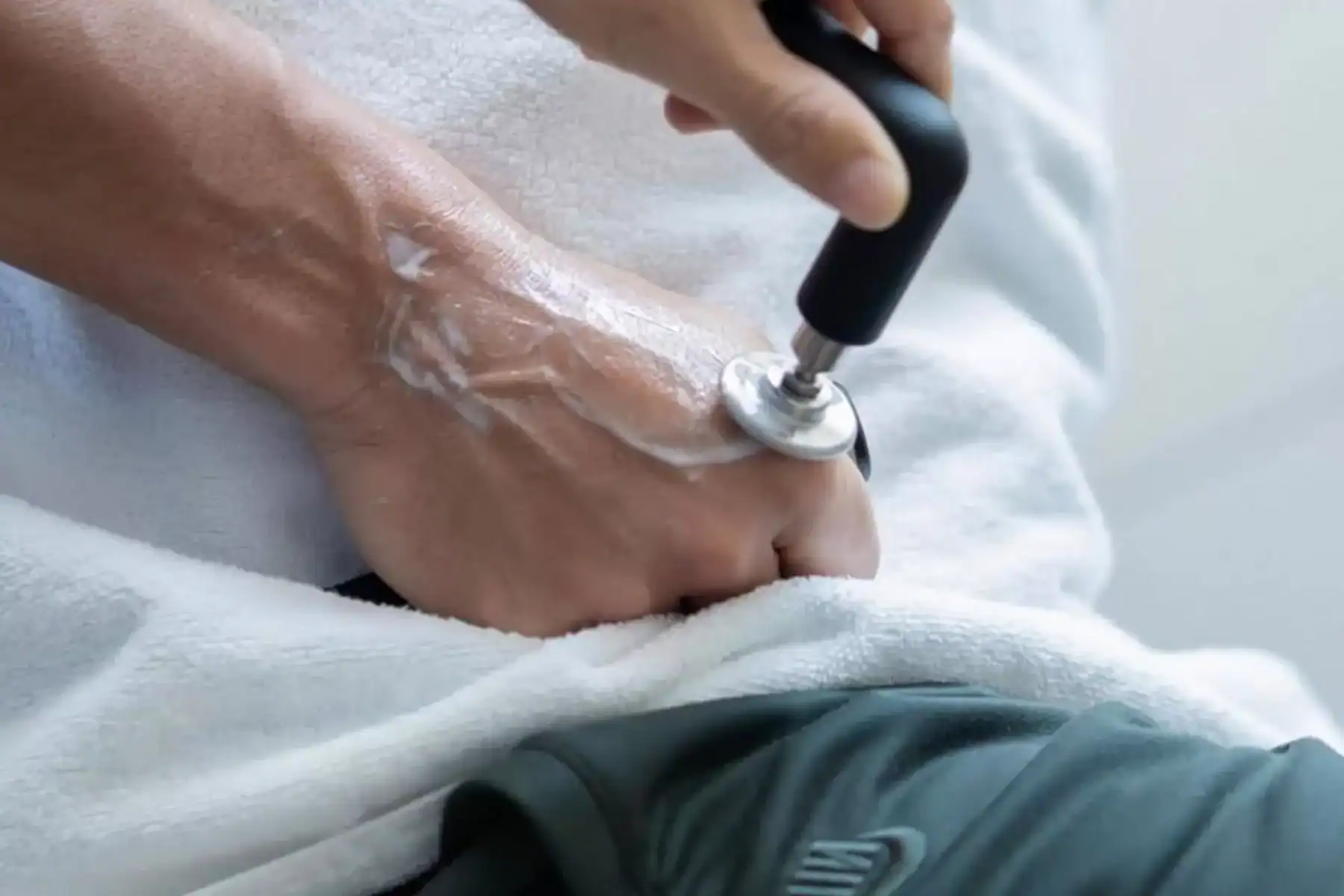
If you’re experiencing numbness, tingling, wrist pain, or weakness in your hand, you may be wondering whether surgery is your only option. The good news is that many people find relief through carpal tunnel treatment without surgery, particularly when their symptoms are identified and addressed early.
At Renovo Health & Beauty, Dr. José Jiménez frequently evaluates patients who are looking for alternatives to surgery for orthopedic and nerve-related conditions. One of the most common questions patients ask is whether there are effective non-surgical treatments available before considering an operation.
The answer depends on the severity of your condition, but for many people, surgery is not the first step.
Get in Touch
Send us a message and our team will get back to you shortly.
Key Takeaways
- Many patients with mild to moderate carpal tunnel syndrome can find relief without surgery.
- Early treatment may help reduce symptoms and prevent progression.
- Conservative treatments may include splinting, activity modification, and lifestyle changes.
- Regenerative medicine is gaining attention as a potential non-surgical option for some patients.
- A personalized evaluation can help determine the most appropriate treatment plan.
Get in Touch
Send us a message and our team will get back to you shortly.
What Is Carpal Tunnel Syndrome?
Carpal tunnel syndrome occurs when the median nerve becomes compressed as it travels through a narrow passageway in the wrist known as the carpal tunnel.
The median nerve helps control sensation in parts of the hand and fingers. When pressure builds within the tunnel, symptoms can develop gradually over time.
You may notice numbness or tingling in your thumb, index finger, middle finger, or ring finger. Some people wake up at night with their hands feeling numb or “asleep.” As the condition progresses, weakness, hand fatigue, and difficulty gripping objects may develop.
Carpal tunnel syndrome can affect anyone, but it is especially common among individuals whose work or hobbies involve repetitive hand and wrist movements.
Do You Always Need Surgery for Carpal Tunnel Syndrome?
While surgery may be recommended for severe cases involving significant nerve compression or progressive weakness, many people improve with conservative treatment.
In fact, surgery is often considered only after less invasive options have been explored. The goal is to reduce pressure on the median nerve, improve function, and help prevent further irritation before permanent nerve damage occurs.
Many patients who visit Renovo Health & Beauty are looking for ways to address their symptoms while avoiding surgery whenever possible.
Conservative Treatment Options
Depending on the severity of your symptoms, your provider may recommend several conservative approaches before discussing surgery.
Wrist Splinting
Wearing a wrist splint, particularly at night, may help keep the wrist in a neutral position and reduce pressure on the median nerve. Many patients experience symptom relief when nighttime wrist flexion is minimized.
Activity Modification
Certain activities may aggravate carpal tunnel symptoms. Taking breaks, adjusting workplace ergonomics, and reducing repetitive strain can sometimes help decrease irritation and discomfort.
Lifestyle Adjustments
Maintaining a healthy weight, managing underlying medical conditions, and avoiding activities that worsen symptoms may help support long-term symptom management.
Anti-Inflammatory Treatments
Some patients use anti-inflammatory medications or other conservative therapies to help reduce swelling and discomfort. While these approaches may provide symptom relief, they do not always address the underlying factors contributing to nerve compression.
When Conservative Care Stops Working
While conservative treatments can be effective, they do not always provide lasting relief.
Many patients continue experiencing numbness, tingling, pain, or weakness despite trying splints, medications, and activity modifications. When symptoms begin interfering with work, sleep, exercise, or daily activities, it may be time to explore additional treatment options.
This is often when patients begin researching alternatives to surgery.

Why Patients Explore Regenerative Medicine
At Renovo Health & Beauty, many patients seek care because they want to explore non-surgical treatment options before committing to an operation.
Regenerative medicine focuses on supporting the body’s natural healing processes through advanced biologic therapies. Rather than simply masking symptoms, these treatments are designed to help create an environment that supports tissue repair and recovery.
Dr. José Jiménez frequently evaluates patients with orthopedic and musculoskeletal conditions who are interested in learning whether regenerative medicine may be appropriate for their situation.
While every patient is different, regenerative therapies may offer an option for individuals seeking alternatives to surgery.
Can PRP Help Carpal Tunnel Syndrome?
Platelet-rich plasma (PRP) is one of the most commonly studied regenerative medicine treatments for musculoskeletal and orthopedic conditions.
PRP is created using a sample of the patient’s own blood. The platelets are concentrated and then used as part of a treatment plan designed to support the body’s natural healing response.
Many patients ask whether PRP may help reduce symptoms associated with carpal tunnel syndrome. While research is ongoing, interest in regenerative medicine for nerve-related conditions continues to grow.
If you’re considering alternatives to surgery, a consultation can help determine whether PRP or other regenerative medicine options may be appropriate for your specific condition.
What Does the Research Say?
Research suggests that platelet-rich plasma (PRP) may be a promising non-surgical treatment option for some patients with carpal tunnel syndrome. A 2022 network meta-analysis published in Frontiers in Pharmacology analyzed 19 randomized controlled trials involving 1,066 patients and compared several injection-based treatments for carpal tunnel syndrome, including PRP, corticosteroids, dextrose, and other therapies.
The researchers found that PRP consistently improved symptom severity, hand function, and pain scores compared to placebo treatments. Across the studies reviewed, PRP ranked among the top-performing treatment options and was found to be more effective than several commonly used injection therapies for improving functional outcomes. Importantly, the authors reported that no serious complications were associated with PRP treatment in the included studies.
The authors concluded that PRP is a safe and effective alternative treatment for carpal tunnel syndrome and may be particularly appealing for patients seeking non-surgical options. These findings help explain why regenerative medicine continues to generate interest as a potential treatment approach for individuals looking to relieve symptoms and avoid surgery whenever possible
When Is Surgery Necessary?
Although many patients improve with non-surgical treatment, there are situations where surgery may be recommended.
You may be a candidate for surgery if:
Symptoms are severe or worsening
Significant nerve compression is present
Muscle weakness develops
Conservative treatments have failed
Permanent nerve damage becomes a concern
The best treatment plan depends on your symptoms, examination findings, and overall health.
How Do You Know Which Treatment Is Right for You?
Every case of carpal tunnel syndrome is different.
Some patients experience significant improvement with simple lifestyle modifications and conservative care. Others may require more advanced treatment approaches to achieve meaningful relief.
At Renovo Health & Beauty, Dr. José Jiménez takes a personalized approach to care. By identifying the source of your symptoms and evaluating your overall health and treatment goals, he can help determine which options may be most appropriate for your situation.
Ready to Explore Your Options?
If you’re struggling with numbness, tingling, hand weakness, or wrist pain, you may not need to jump straight to surgery.
Many patients benefit from conservative treatment, while others may be candidates for regenerative medicine approaches designed to support healing and recovery.
At Renovo Health & Beauty, Dr. José Jiménez helps patients explore non-surgical solutions for orthopedic and musculoskeletal conditions. Schedule a consultation today to learn whether regenerative medicine may be an option for your carpal tunnel symptoms and take the next step toward lasting relief.
Frequently Asked Questions
Yes. Many patients with mild to moderate carpal tunnel syndrome improve with conservative treatment approaches such as splinting, activity modification, and lifestyle changes. Early intervention often provides the best opportunity for symptom relief.
The best treatment depends on the severity of your symptoms and the underlying cause of the nerve compression. Conservative care may help some patients, while others may explore regenerative medicine options as part of a comprehensive treatment plan.
Research suggests that PRP may help improve symptom severity and hand function in certain patients with carpal tunnel syndrome. A consultation can help determine whether regenerative medicine may be appropriate for your specific condition.
Recovery timelines vary depending on the severity of the condition and the treatment approach used. Some patients notice improvement within weeks, while others experience gradual progress over several months.
Mild cases may improve with rest and activity modification. However, persistent numbness, tingling, weakness, or pain should be evaluated by a healthcare professional to help prevent potential long-term nerve damage.