


PRP Therapy for Chronic Knee Pain Without Surgery

Advanced Non-Surgical Knee Pain Relief at Renovo Health and Beauty

Chronic knee pain can slowly affect nearly every aspect of your daily life, from walking comfortably and exercising to performing routine tasks at work or home. For many people, knee discomfort becomes more than just an occasional issue—it turns into persistent stiffness, swelling, weakness, and pain that limits mobility and reduces overall quality of life. While surgery is often presented as a solution for severe or ongoing knee pain, many patients are now searching for less invasive alternatives that focus on healing and recovery without the risks, downtime, and lengthy rehabilitation associated with surgical procedures. At Renovo Health and Beauty, we provide PRP therapy for chronic knee pain without surgery, helping patients explore advanced regenerative medicine solutions designed to support natural healing, reduce inflammation, and improve joint function over time.

Platelet-Rich Plasma (PRP) therapy has become increasingly popular among patients seeking non-surgical relief because it uses the body’s own healing properties to target damaged tissues and support recovery from within. Rather than simply masking symptoms temporarily, PRP therapy focuses on improving the environment inside the knee joint to encourage healthier movement, better stability, and long-term pain management.

Get an Appointment

Complete The Form Below And We’ll Get Back To You Immediately.

Key Takeaways

Get an Appointment

Complete The Form Below And We’ll Get Back To You Immediately.

Understanding Chronic Knee Pain

The knee is one of the most heavily used joints in the body, making it especially vulnerable to wear and tear over time. Chronic knee pain may develop from osteoarthritis, cartilage degeneration, ligament strain, tendon injuries, sports-related trauma, repetitive stress, or inflammatory conditions. As joint tissues break down or become irritated, patients often experience symptoms such as stiffness, swelling, reduced flexibility, weakness, and persistent discomfort that interferes with daily movement.

Many conventional treatments for chronic knee pain focus primarily on symptom management through medications, corticosteroid injections, or temporary pain relief measures. While these approaches may offer short-term comfort, they do not always address the underlying joint damage or inflammation contributing to ongoing pain. PRP therapy offers a regenerative approach aimed at supporting the body’s natural healing response instead of simply covering up symptoms.

What Is PRP Therapy?

PRP therapy, also known as Platelet-Rich Plasma therapy, is a regenerative treatment that uses a concentrated form of platelets derived from the patient’s own blood. Platelets contain growth factors and proteins that play an important role in tissue repair and healing. During treatment, a small blood sample is collected and processed to separate the platelet-rich plasma from other blood components. The concentrated PRP solution is then carefully injected into the affected knee area.

Because PRP therapy uses the patient’s own biological material, it is considered a natural and minimally invasive treatment option. At Renovo Health and Beauty, PRP therapy is customized based on each patient’s condition, level of joint degeneration, activity goals, and overall health profile.

How PRP Therapy Helps Chronic Knee Pain Without Surgery

PRP therapy for chronic knee pain without surgery works by stimulating the body’s natural healing mechanisms within the knee joint. The concentrated growth factors in platelet-rich plasma may help support tissue repair, reduce inflammation, improve circulation, and encourage healthier joint function over time.

Many patients pursue PRP therapy as a way to potentially delay or avoid surgical intervention while remaining active and mobile. PRP therapy may be considered for conditions such as knee osteoarthritis, tendon irritation, cartilage wear, chronic inflammation, sports injuries, and joint instability.
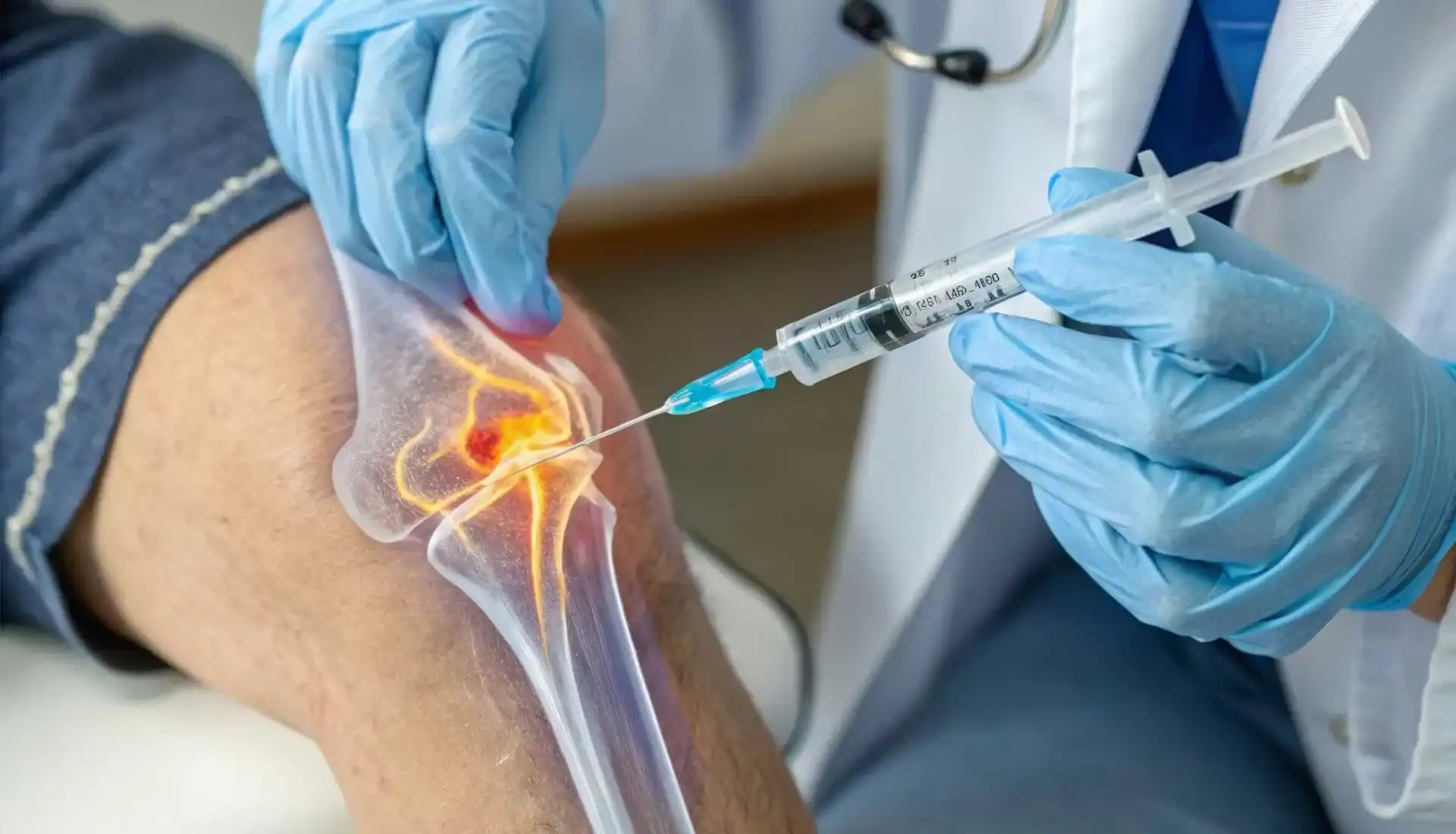
An injection being administered to a patient's knee for joint pain relief or treatment, with a focus on medical care and health improvement.

Unlike surgery, which may involve extensive recovery periods and rehabilitation, PRP therapy is performed in an outpatient setting and typically allows patients to return to light activities relatively quickly. Improvements often develop gradually as the healing process progresses over several weeks or months.

Comprehensive Knee Pain Treatment at Renovo Health and Beauty

At Renovo Health and Beauty, we believe the most effective approach to chronic knee pain involves more than a single treatment alone. PRP therapy is often integrated into a broader wellness and regenerative medicine plan tailored to each patient’s needs.

Depending on the condition being treated, patients may benefit from supportive therapies such as IV nutrient therapy, anti-inflammatory wellness strategies, movement optimization guidance, and lifestyle modifications designed to reduce stress on the knee joint. This comprehensive approach allows us to focus on both symptom relief and long-term joint support.

Our medical team carefully evaluates each patient’s symptoms, mobility concerns, and treatment goals to create personalized plans that prioritize safety, comfort, and long-term function.

Recovery After PRP Therapy

Recovery following PRP therapy is generally much shorter and less intensive than recovery from surgical procedures. Some patients may experience temporary soreness, mild swelling, or stiffness in the treated area for a few days after treatment as the healing response begins.

Most individuals are able to resume light daily activities within a short period, although strenuous exercise and high-impact movement may need to be temporarily limited. Improvements in knee pain and mobility often occur gradually over time as tissue healing progresses.

Because every patient’s condition is unique, recovery timelines can vary depending on the severity of joint damage, activity level, and overall health status.

Benefits of PRP Therapy for Chronic Knee Pain Without Surgery

Why Choose Renovo Health and Beauty?

Renovo Health and Beauty is committed to providing advanced regenerative medicine treatments designed to help patients improve mobility and quality of life without unnecessary surgery. Our experienced medical team focuses on personalized care and comprehensive treatment strategies that support long-term healing and recovery.

We combine modern regenerative therapies with patient-centered wellness approaches to create individualized plans that help patients feel supported throughout every stage of treatment.

Take the Next Step Toward Knee Pain Relief

If chronic knee pain is limiting your ability to stay active and comfortable, learn more about PRP therapy for chronic knee pain without surgery at Renovo Health and Beauty. Our team is ready to help you explore personalized regenerative treatment options designed to support healing, reduce pain, and improve mobility naturally.

Contact Renovo Health and Beauty today to schedule your consultation and discover whether PRP therapy may be the right solution for your knee pain and long-term wellness goals.

Frequently Asked Questions

Most PRP therapy appointments can be completed within about an hour, including blood collection, processing, and the injection procedure itself.

Patients may experience mild discomfort during or after the injection, but the procedure is generally well tolerated. Temporary soreness or swelling is common for a few days afterward. 

Some patients notice improvement within a few weeks, while others experience gradual changes over several months as healing progresses.

PRP therapy is commonly used to support patients with knee osteoarthritis and chronic inflammation by promoting tissue healing and reducing joint irritation.

Most patients experience minimal downtime and can return to light activities relatively quickly, although strenuous exercise may need to be temporarily avoided.

The number of treatments varies depending on the severity of knee pain, joint condition, and treatment goals. Some patients benefit from a single treatment, while others may require multiple sessions.